From Concept to Permit: Understanding the Floating Dock Approval Process in Broward County

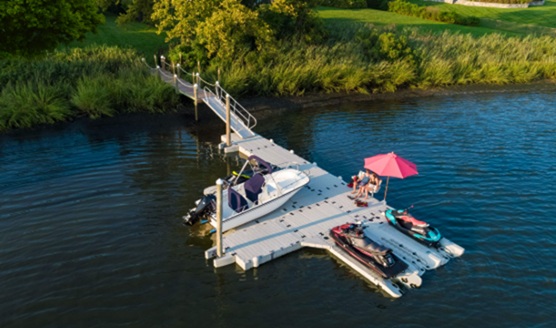
Building a floating dock in Broward County sounds like a dream come true—easy boat access, gorgeous waterfront views, and more usable space for fishing or lounging. But turning that dream into reality isn’t as simple as anchoring a few planks and setting sail. Like most waterfront developments in Florida, floating docks require careful planning, permitting, and compliance with local and state regulations.
If you’re considering installing a floating dock in Broward County, here’s what to expect from concept to permit—step by step.
1. Start with a Clear Concept
Before you talk to any engineers or submit paperwork, start with a clear idea of what you want.
Ask yourself:
- Will this be a residential or commercial dock?
- How large should it be?
- Do you want to accommodate personal watercraft, fishing, or multiple boats?
- Is it meant for private use, or shared with neighbors?
Sketch your ideal design if you can. Even a rough drawing helps when communicating your goals to professionals later. Keep in mind, every dock must follow zoning requirements and environmental restrictions based on its location and surrounding ecosystem.
2. Consult an Engineer or Marine Designer
Once your concept is solid, you’ll need a licensed engineer or marine designer to create official plans. In Broward County, dock structures must be engineered to meet wind-load requirements, tidal variations, and anchoring standards.
Your plans will likely include:
- Dock dimensions
- Materials used
- Anchoring and floatation methods
- Connection points to the shore
- Elevation profiles
- Safety features like railings or ladders
This is also where soil and water depth surveys may come into play, especially if you’re in a sensitive marine zone. The plans should reflect the unique tidal behavior and currents of your exact location.
3. Address Environmental Considerations
Floating docks are often considered less invasive than fixed docks, but environmental oversight in Florida is strict—and for good reason. Broward County lies within delicate ecosystems that include mangroves, sea grass beds, and protected marine species.
Here’s what typically needs to be addressed:
- Seagrass Avoidance: Your dock cannot shade or damage existing sea grass. Floating structures must be designed to allow sunlight to pass through (via grated decking, for example).
- Mangrove Protection: If mangroves are on-site, trimming or removal usually requires a special permit.
- Water Flow and Wildlife: Your design should not disrupt water flow or create obstacles for manatees and other marine life.
The Florida Department of Environmental Protection (FDEP) or the Army Corps of Engineers may also get involved depending on the project’s scope. They’ll review environmental impacts and determine whether your dock qualifies for a General Permit or requires Individual Review.
4. Submit for Permits
Once your plans are finalized and environmental concerns are addressed, it’s time to file for permits. In Broward County, this usually involves submitting to:
- The Environmental Protection and Growth Management Department (EPGMD)
- Your municipality’s building department
- Possibly state and federal agencies
The paperwork will include engineering drawings, site surveys, environmental impact documents, and owner authorizations. Most applicants will also need a recorded property survey to confirm dock placement is within their boundaries.
5. Understand the Timeline
Permitting is rarely fast. Here’s a general timeline to expect:
- Initial Design & Consultation: 2–4 weeks
- Environmental Review & Adjustments: 3–6 weeks
- Permit Processing & Agency Approvals: 6–12 weeks, sometimes longer if state or federal involvement is required
- Total Time from Concept to Approval: 3–6 months on average
Of course, delays can happen—especially if your project involves environmentally sensitive areas or neighbors contest the build.
Final Thoughts
Installing a floating dock in Broward County isn’t a weekend project. It’s a process that demands thoughtful planning, compliance with environmental regulations, and patience with bureaucracy. But the payoff? A waterfront space that’s not only beautiful and functional—but legal and environmentally responsible too.
By understanding each step—from concept to permit—you’ll be better equipped to navigate the approval process and enjoy your dock for years to come.
This post was written by a professional at Supreme Marine Floating Docks. Supreme Marine Floating Docks is dedicated to providing top-quality floating dock for sale Ft Lauderdale and marine accessories that combine durability, innovation, and superior performance. While we are a new brand, our team brings over 50 years of combined industry experience, making us a trusted name in the marine world. We are passionate about designing and delivering products that meet the highest standards, ensuring reliability and longevity in all marine environments. Whether for residential, commercial, or recreational use, our docks are crafted with precision and care, setting a new benchmark in the industry. At Supreme Marine, we don’t just build docks—we create lasting solutions.