

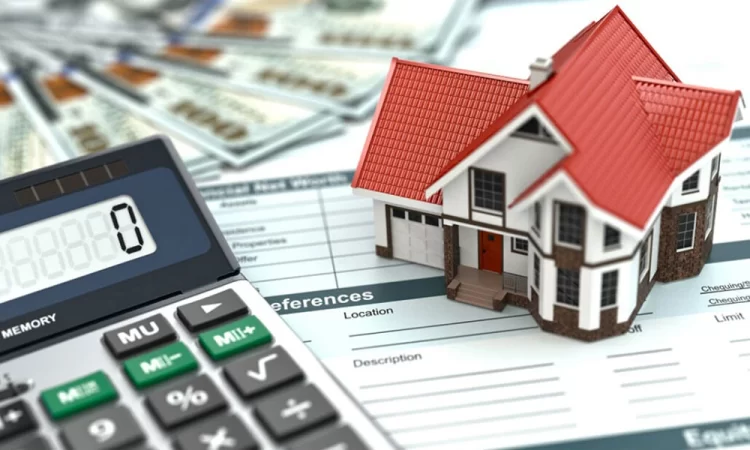
Selling a home is a major financial transaction that involves more than just finding a buyer and signing papers. Many first-time sellers are surprised to learn that the process includes a variety of costs that can affect their overall profit. Understanding the full picture helps sellers make informed decisions and set realistic expectations.
Preparing Your Home for the Market
Before listing your property, it’s important to get it “market ready.” This often means investing in repairs, upgrades, and staging. Even simple fixeslike fresh paint, landscaping, or replacing outdated fixtures—can make a big difference in attracting buyers. However, these expenses can increase quickly.
Depending on the condition of the home, some sellers spend thousands of dollars just to prepare their home for showings. While these costs are optional, they can directly impact how quickly your home sells and the price you receive.
Working with Real Estate Professionals
Hiring a real estate agent can be invaluable during the selling process, but it also comes with its own fees. Most agents charge a commission based on a percentage of the final sale price, typically around 5% to 6%. This commission is usually split between the buyer’s and seller’s agents, and it’s one of the largest components when calculating the cost to sell a house.
Some sellers consider using flat-fee or discount brokerages to reduce commission costs. However, it’s important to weigh the potential savings against the level of service provided. A skilled agent can often help you sell faster and for more money, potentially offsetting their commission with added value.
Closing Costs and Additional Fees
Aside from agent commissions and home prep expenses, sellers are also responsible for closing costs. These might include title insurance, escrow fees, property taxes, legal fees, and potential repair credits requested by the buyer. Combined, these costs can range from 1% to 3% of the home’s sale price.
Factoring in all these elements, the cost to sell a house can be as much as 8% to 10% of the final sale price. For a $400,000 home, that could mean $32,000 to $40,000 in total expenses. Understanding these numbers upfront can prevent surprises later.
Selling a house involves strategic planning, financial preparation, and professional guidance. By taking the time to understand the real costs involved, homeowners can better manage their expectations and make smarter decisions throughout the process. Awareness is key to ensuring a smoother, more profitable home-selling experience.