
Choosing the right plumbing fixtures for your kitchen is about more than just picking out a faucet and calling it a day. Fixtures play a huge role in your kitchen’s function, appearance, and even resale value. But with so many styles, finishes, and configurations available, it’s easy to make design decisions that seem great in the moment but lead to frustration down the line.
Here are some of the most common design mistakes homeowners make when selecting kitchen plumbing fixtures—and how to avoid them.
1. Prioritizing Style Over Function
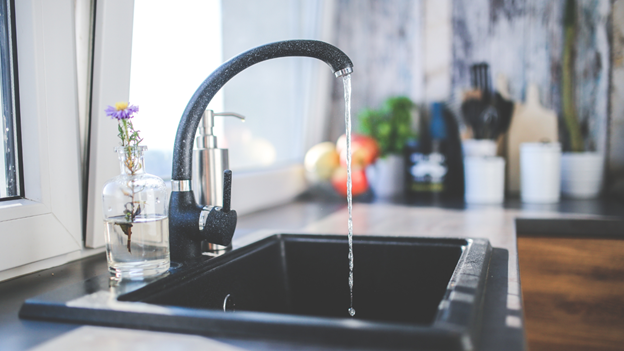
A beautiful faucet might turn heads, but if it doesn’t work for your kitchen’s needs, it will quickly become a nuisance. Always evaluate how you use your kitchen before choosing fixtures. Do you often fill large pots? A high-arc spout with a pull-down spray head might be essential. Do you wash a lot of delicate items? A gentle spray setting could be a game-changer. A fixture’s function should always complement your lifestyle, not just your vision board.
2. Choosing Incompatible Finishes
One of the most common visual errors in kitchen design is mixing too many finishes—or worse, trying to match finishes that clash. For example, a brushed nickel faucet may not pair well with chrome cabinet hardware or a polished brass sink. Stick to two or three complementary finishes throughout the space to create a cohesive look. Consider how your plumbing fixtures will coordinate with lighting, cabinet hardware, and appliances.
3. Underestimating Sink Size and Faucet Reach
Installing a faucet that doesn’t adequately cover your sink basin is a frustrating—and avoidable—mistake. A faucet that is too short might cause splashing or make it hard to clean the entire sink area. Conversely, a faucet that overreaches can dominate the space. Always measure the dimensions of your sink and make sure your faucet has the right reach and height for optimal performance and comfort.
4. Skipping the Accessories
Soap dispensers, hot water dispensers, air gaps, and filtered water spouts are often overlooked when selecting plumbing fixtures. These accessories can improve your workflow and keep your countertops looking clean and uncluttered. Planning for them from the beginning ensures there’s enough room on your countertop or sink deck for installation and that everything aligns stylistically.
5. Neglecting Ergonomics
Your kitchen should support the way you move and work. Fixtures that are hard to reach, handles that are awkward to operate, or faucets that require two hands to turn on and off can be annoying day to day. Choose lever or touch-activated handles for ease of use, and ensure that sprayers or soap dispensers are placed where they’re comfortable to reach for your dominant hand.
6. Going Too Trendy, Too Fast
That matte black or brushed gold faucet might be the hottest look of the year, but will it still feel fresh in five years? Trendy finishes and ultra-modern designs can date your kitchen quickly if not carefully balanced. Instead, consider mixing trend-forward fixtures with timeless design elements so your space remains appealing long-term.
7. Not Considering Water Pressure or Plumbing Compatibility
Just because you fall in love with a fixture online doesn’t mean it’s compatible with your home. Some fixtures require higher water pressure or specific valve setups. Always double-check compatibility with your existing plumbing and consult a professional if you’re unsure. This is where working with experienced kitchen plumbing contractors can save you time and prevent costly mistakes.
8. Choosing Low-Quality Fixtures to Cut Costs
It’s tempting to save money on plumbing fixtures, especially if you’re already stretching your budget for countertops and cabinetry. But cheap fixtures are often made with inferior materials that corrode, leak, or break easily. Investing in quality plumbing fixtures pays off with better performance, longer lifespan, and fewer maintenance issues down the road.
9. Overlooking Maintenance and Cleaning Needs
Some finishes—like polished brass or chrome—show water spots and fingerprints more easily than others. Others, like matte black or stainless steel, are more forgiving. Think about how much upkeep you’re willing to commit to and choose finishes that suit your lifestyle. Also, consider whether the fixture design allows for easy cleaning and minimal grime buildup.
10. Failing to Coordinate Fixtures with Sink and Countertop Styles
A modern industrial faucet might look out of place next to a vintage farmhouse sink, while an ornate bridge faucet may clash with a minimalist quartz countertop. The style of your plumbing fixtures should echo the aesthetic of your kitchen as a whole. Think of fixtures as jewelry for the kitchen—they should accent and enhance, not compete with, the space.
Selecting kitchen plumbing fixtures can be one of the most exciting parts of the renovation process—but it also comes with pitfalls if not approached thoughtfully. By focusing on functionality, durability, and harmony with your overall design, you can avoid costly mistakes and enjoy a kitchen that looks great and works even better.
When in doubt, collaborating with seasoned kitchen plumbing contractors can help ensure your selections are practical, properly installed, and designed to stand the test of time. Whether you’re upgrading a single fixture or designing a kitchen from the ground up, getting the details right makes all the difference.