
When you think about furnace problems, your first concern might be heat loss or high utility bills. But did you know that a faulty furnace can also become a serious safety hazard?
Carbon monoxide (CO) is often called the “silent killer” because it is invisible, odorless, and can cause illness or even death if it builds up inside your home.
The good news is that with the right repair and maintenance steps, you can dramatically reduce the risk. Let’s look at the most important furnace repair tips to keep your home safe.
Schedule Regular Professional Maintenance
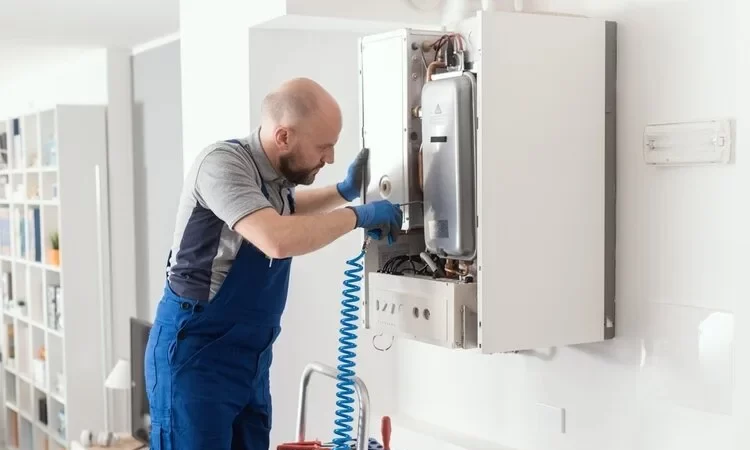
One of the best ways to prevent carbon monoxide hazards is to stay on top of routine furnace care. A professional tune-up every year ensures that your furnace is running properly and safely.
During this visit, the technician will inspect the burners, clean critical components, and look for cracks in the heat exchanger, which is a common source of CO leaks.
In addition, technicians can perform a combustion analysis to verify that fuel is burning correctly and safely. While you might be able to spot basic problems, HVAC professionals use specialized tools that detect issues before they put your home in danger.
Keep Airflow And Ventilation Clear
Furnaces need proper airflow to work safely. If vents, ducts, or the exhaust flue are blocked, carbon monoxide can build up indoors instead of escaping outside. Make it a habit to check that your furnace’s flue is free of snow, leaves, or debris.
Another simple but important task is replacing your air filters regularly. A clogged filter can strain the system, cause overheating, and even damage the heat exchanger.
If your furnace was not installed correctly, poor design could also create venting problems. This is why professional installation and inspection are critical.
Install And Maintain Carbon Monoxide Detectors
Even with proper furnace care, having carbon monoxide detectors is a must for every home. Place them on each level of your house and near bedrooms for the best protection.
These devices should be tested once a month, and batteries replaced twice a year. Detectors provide an early warning, giving you valuable time to evacuate before exposure becomes dangerous.
Act Quickly If You Suspect A Leak
If your CO detector goes off or you notice symptoms like dizziness, headaches, or nausea, leave the house immediately.
Do not wait to see if the alarm stops. Once you are safely outside, call emergency services and a qualified HVAC technician to find and fix the problem.
For reliable furnace repair and safety inspections, trust the experts at Sierra Air Inc. to keep your home warm and protected.