

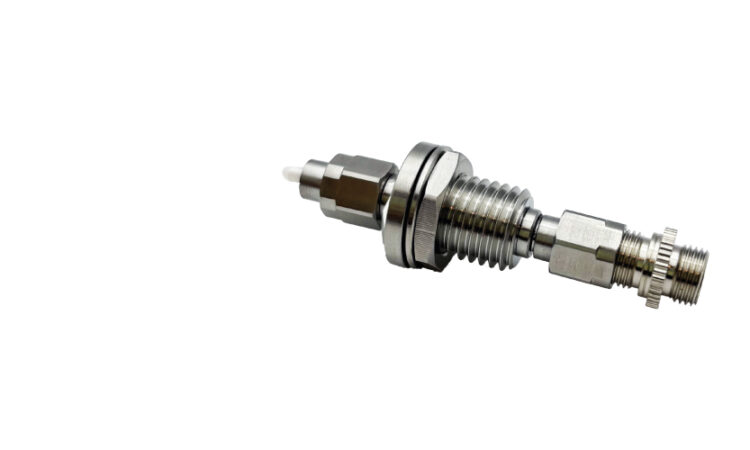
Hermetic feedthroughs are critical components in electronics, aerospace, medical devices, and industrial systems. They allow electrical, optical, or fluid connections to pass through a sealed barrier while maintaining airtight or vacuum integrity. Proper installation is essential to ensure reliable performance and longevity. Leading brands like PAVE Technology provide high-quality feedthroughs, and following correct installation procedures helps maximize their durability and functionality.
Why Proper Installation Matters
Incorrect installation of a hermetic feedthrough can lead to:
- Seal failure or leaks
- Electrical short circuits or signal loss
- Mechanical damage
- Reduced lifespan of the feedthrough and connected systems
By following manufacturer guidelines and best practices, engineers and technicians can prevent these issues and maintain system integrity.
Step-by-Step Guide to Installing a Hermetic Feedthrough
1. Inspect the Feedthrough
Before installation, examine the hermetic feedthrough for:
- Physical damage to the housing or pins
- Contaminants on the sealing surface
- Correct pin alignment and orientation
PAVE Technology recommends thorough inspection to ensure that the feedthrough is free from defects before installation.
2. Prepare the Enclosure or Panel
The mounting surface must be clean, flat, and free of debris. Depending on the design:
- Drill or machine holes according to the feedthrough’s specifications
- Remove burrs or sharp edges that could damage the seal
- Ensure that the panel material is compatible with the feedthrough
Proper preparation prevents leaks and ensures a secure fit.
3. Apply Proper Sealing Method
Hermetic feedthroughs may require gaskets, O-rings, or soldering depending on the type:
- Glass-to-metal or ceramic feedthroughs: Usually pre-sealed and do not require additional sealing
- Panel-mounted feedthroughs: May require torque to specified values to compress a gasket correctly
Follow the manufacturer’s instructions for torque specifications and sealing methods. PAVE Technology provides detailed guidelines for each product type to ensure optimal sealing.
4. Secure the Feedthrough
Carefully mount the feedthrough into the panel or housing:
- Align pins or connections accurately
- Avoid applying excessive force that could crack the insulator or housing
- Use the recommended hardware (nuts, screws, clamps)
Proper mounting ensures mechanical stability and preserves the hermetic seal.
5. Connect Electrical or Fluid Interfaces
Once installed, carefully attach the corresponding electrical or fluid connections:
- Ensure correct polarity and pin alignment
- Avoid bending or stressing the feedthrough pins
- For multi-pin feedthroughs, check each connection for continuity
PAVE Technology feedthroughs are designed for easy and reliable connection while maintaining environmental integrity.
6. Test the Installed Feedthrough
After installation, verify proper operation:
- Conduct leak testing to ensure hermetic integrity
- Perform electrical continuity and insulation tests
- Check for mechanical stability and absence of stress
Testing confirms that the installation has not compromised performance and ensures long-term reliability.
Best Practices for Hermetic Feedthrough Installation
- Always follow manufacturer specifications for torque, sealing, and alignment.
- Keep the work area clean to prevent contamination.
- Handle feedthroughs with care to avoid mechanical or thermal stress.
- Use proper tools and testing equipment.
- Choose feedthroughs from trusted brands like PAVE Technology to ensure quality and ease of installation.
Conclusion
Installing a hermetic feedthrough correctly is crucial for maintaining airtight integrity, electrical performance, and mechanical durability. Following careful inspection, panel preparation, secure mounting, proper connections, and post-installation testing ensures reliable operation.
For engineers and technicians seeking high-quality, installation-friendly hermetic feedthroughs, PAVE Technology offers precision-engineered solutions that meet the demands of aerospace, electronics, medical, and industrial applications. Proper installation combined with high-quality feedthroughs guarantees system reliability in even the most challenging environments.