
Your stove is one of the hardest-working appliances in the kitchen, but it doesn’t always get the credit it deserves. Used wisely, it can save you time, lower your power bills, and still turn out meals that taste fantastic.
The trick isn’t buying fancy gadgets or overhauling your cooking style. With just a few simple tweaks, you can make a big difference.
Looking for ways to cook smarter without sacrificing flavour? These tips will help keep your dinners and your energy use on track.
Preheat the Oven
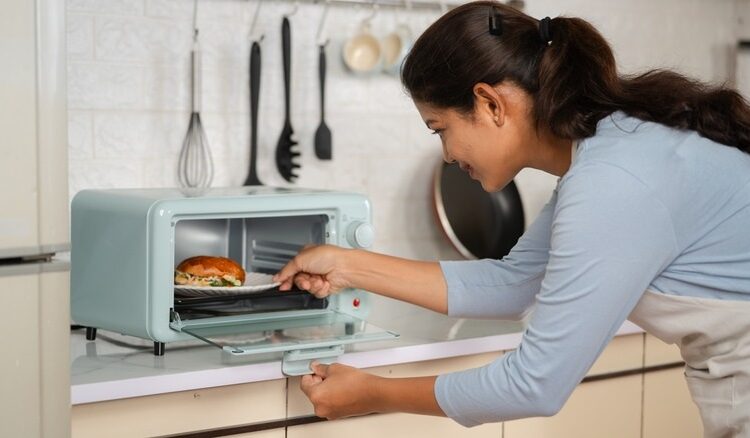
Not every dish needs to be cooked in a fully heated oven. A bubbling lasagna or tray of roast veggies can happily start out cold, and still come out golden and delicious, all while saving time and electricity costs.
Baking, however, plays by different rules. Cakes, slices, and pastries demand precision, and skipping preheating here is a recipe for flat sponges and uneven bakes. That’s when reaching the exact temperature before you start really pays off.
Modern ovens make this easier with built-in settings that calculate the best preheating times for you. And instead of opening the door every few minutes, simply flick on the oven light. It keeps the heat where it belongs and your cooking right on track.
Use Convection Settings
Ever wonder why your chips end up soggy or your roast takes forever? It might just be the oven setting.
Convection ovens push hot air around your food, helping heat reach every side. That means more even cooking and, in many cases, faster results.
Many cooks reduce their set temperature by around 15 °C when using convection, to prevent the exterior from overcooking.
Your roast chook will come out with perfectly golden skin, a tray of veggies will get an irresistible crunch, and the Anzac bikkies will brown evenly without singed edges.
The real beauty of convection is efficiency. Meals cook up to 25% quicker, which not only saves you time but also cuts down your power use.
Convection isn’t always the answer, though. Delicate desserts like pavlovas or soufflés need a gentler, more stable heat. For these, stick with traditional baking mode to keep them from collapsing or cracking.
Cook Multiple Dishes at the Same Time
One of the smartest ways to use your oven efficiently is to load it up. If you’ve got the racks sitting empty, you’re wasting both heat and opportunity.
Group foods with similar temperature needs. A lasagna can happily share space with a tray of roast veggies, while a meat pie will sit comfortably alongside garlic bread.
Shallow pans are your best friend here, as they allow hot air to circulate freely, so everything cooks evenly and never turns soggy.
Spacing matters too, so don’t crowd your dishes. Give them breathing room so the heat can flow.
Desserts are the exception. Strong flavours from savoury dishes, like roast lamb or fish, can transfer if baked at the same time as a delicate slice or sponge.
It’s best to keep sweet and savoury separate. No one wants their fancy lamington coming with a hint of garlic.
Use the Right Cookware
The kitchen tools you choose—especially your cookware—can influence how well your oven performs. When you’re picking up supplies at Kmart or Big W, this is worth remembering.
Dark, heavy trays and tins absorb heat efficiently, which helps food cook faster and develop a perfect crispness. They’re brilliant for roast potatoes or a batch of biscuits that need even browning.
Glassware, on the other hand, is less efficient at high temperatures. It tends to reflect heat rather than absorb it, which slows down cooking and can even produce disappointing results.
It’s also prone to cracking if exposed to sudden or extreme changes in heat, making it a less reliable choice.
Shallow trays are another smart choice, as they let hot air circulate more freely around your food. In contrast, deep pans trap steam, leaving you with dishes damp at the base instead of golden crusts.
Keep the Oven Door Closed
It’s tempting to sneak a peek when something smells too good to ignore, but lifting the door mid-cook can drop the internal temperature by as much as 20°C.
The oven works harder to recover, and your food spends extra time inside, drying out instead of cooking evenly.
This little habit makes a big difference with baked goods in particular. A sponge that should be fluffy can sink in the middle, and a pavlova that should have a glossy shell can end up cracked and chewy.
Even savoury dishes can be thrown off. Roast veggies lose their crunch, and meat takes longer to reach that juicy, tender sweet spot.
The fix is simple. Trust your timer and check through the oven’s light and window. If you need to see if it’s cooked, do it quickly and only once.
Stay on top of Maintenance
A clean oven performs better. It’s that simple.
When grease and food bits build up, they block airflow, which can leave meals cooking unevenly and make the oven use more energy than it needs to. That means roast veggies might end up soft in some spots and burnt in others, and baked goods might brown unevenly.
Regular cleaning also keeps flavours pure—no lingering smells or smoky tastes transferring to your dishes.
On top of that, it lowers the risk of kitchen fires, so your cooking space stays safe as well as efficient. A little upkeep goes a long way, and your oven and your dinners will thank you for it.
Boost Efficiency with Professional Cleaning
Every oven benefits from a wipe-down, but for a thorough reset, professional care makes all the difference. Quality oven cleaning goes beyond the surface, targeting grease deposits, carbon build-up, and hidden corners.
Specialist cleaners use the right tools and solutions for different oven types, ensuring that no part is overlooked or damaged.
This kind of service not only restores a spotless interior but also helps your appliance run more efficiently by improving airflow and heat circulation.
Conclusion
Using your oven efficiently isn’t about fancy gear or complicated tricks. It’s about small habits that make cooking easier, quicker, and more consistent.
When you preheat only when you need to, use the fan setting wisely, load the oven properly, and keep things clean, you get better meals with less effort. You’ll likely shave a bit off the power bill too.
Once you start thinking about efficiency in the kitchen, it becomes second nature. A little care now pays off every time you cook.