
Pest problems in New York City rentals are more than just an annoyance—they’re a health issue, a legal concern, and often a source of confusion. Whether it’s roaches in the kitchen, mice in the walls, or a sudden outbreak of bed bugs, many renters wonder: Who’s actually responsible for pest control—the landlord or the tenant?
The answer depends on the situation, but in most cases, New York City law favors the tenant’s right to a pest-free home. Here’s what every NYC renter and landlord should know about pest control responsibilities, legal obligations, and what to do when pests show up.
NYC Housing Code: The Basics
Under New York City’s Housing Maintenance Code, landlords are legally required to provide safe, clean, and habitable housing—which includes keeping apartments free from pests like rodents, roaches, and bed bugs.
This legal standard is called the “warranty of habitability.” It applies to all rental units in NYC, and failure to comply can result in fines or court action against the landlord.
What Landlords Are Responsible For
In general, landlords in NYC are responsible for:
- Preventing infestations by maintaining the building in good repair
- Responding to pest complaints in a timely and effective manner
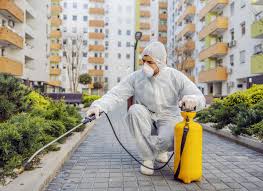
- Hiring licensed exterminators when necessary
- Treating common areas, such as hallways, basements, and laundry rooms
- Providing proper garbage storage and disposal facilities
- Fixing conditions that contribute to infestations (leaks, holes, structural damage)
The law applies whether you’re renting in a pre-war walk-up, a luxury high-rise, or a rent-stabilized apartment. It also includes specific regulations for bed bugs, which require landlords to investigate complaints, arrange for treatment, and notify incoming tenants of any recent infestations in the building.
What Tenants Are Responsible For
While landlords carry most of the legal burden, tenants also have responsibilities to help prevent pest problems. These include:
- Maintaining cleanliness inside the apartment (e.g., not leaving food out, disposing of trash properly)
- Notifying the landlord or property manager promptly if pests are observed
- Allowing access for inspections and extermination treatments
- Avoiding behaviors that contribute to infestations (such as hoarding, improper storage, or failure to report leaks)
If a tenant’s actions or neglect directly lead to a pest infestation—such as leaving trash out for extended periods—the landlord may not be obligated to cover all pest control costs. However, this can be hard to prove without documented evidence.
What About Shared Buildings?
In NYC’s many multi-unit buildings, pest problems rarely stay contained to one unit. Rodents, roaches, and bed bugs can easily travel between apartments through walls, pipes, and vents. That’s why infestations are often treated as a building-wide issue, even if they’re reported in a single unit.
In such cases, it’s the landlord’s duty to:
- Investigate the source of the problem
- Coordinate treatment across multiple units if needed
- Address any structural or sanitation issues that may be contributing to the spread
Bed Bugs: Special Rules in NYC
Bed bugs are a major concern in New York, and the city has passed specific legislation to deal with them. According to NYC law:
- Landlords must investigate and respond to all bed bug complaints.
- Treatment must be conducted by a licensed pest management professional.
- Tenants must receive written notice of bed bug infestation history for the previous year before moving in.
- If treatment is necessary, multiple visits may be required, and tenants are expected to cooperate by preparing the unit as instructed.
Failure to comply with these rules can result in penalties for the landlord.
What Tenants Should Do If They Have a Pest Problem
- Document everything. Take photos, videos, and keep written records of sightings or damage.
- Notify the landlord in writing. Email or send a certified letter outlining the issue and requesting prompt treatment.
- Allow access for inspection and extermination. Refusing entry can delay or complicate treatment.
- Report unresolved issues. If the landlord does not respond, tenants can file a complaint with:
- 311 (NYC’s non-emergency line)
- HPD (Department of Housing Preservation and Development)
- NYC Department of Health (for severe infestations or public health risks)
In some cases, tenants may also take their landlord to Housing Court to enforce repairs or request a rent reduction due to uninhabitable conditions.
Final Thoughts
In New York City, the responsibility for pest control in rental units falls primarily on landlords—but tenants also play a key role in preventing infestations and reporting issues early. The key to resolving pest problems quickly and effectively is communication, documentation, and timely action from both sides.
Whether you’re renting in the Bronx, Brooklyn, Manhattan, Queens, or Staten Island, you deserve a clean, pest-free living space. Knowing your rights—and your responsibilities—can make all the difference. We recommend pest control in new york.