

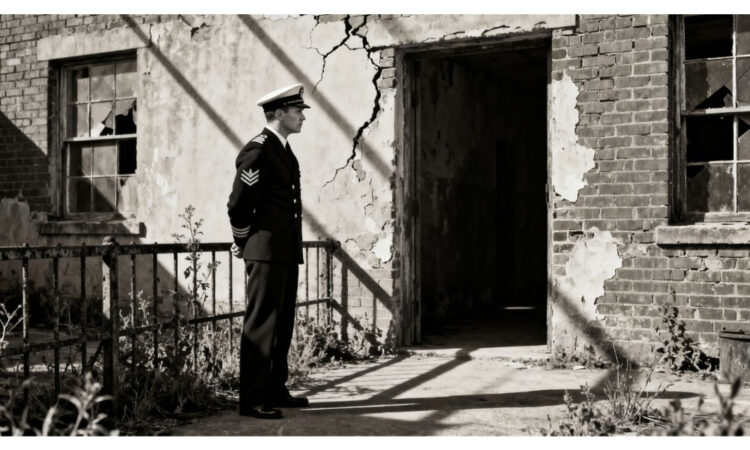
Older buildings, common in military housing, can present hidden dangers. One significant concern is asbestos, a mineral once widely used for its heat-resistant properties. Unfortunately, its widespread use in construction materials means that many older Navy officer housing units may still contain asbestos. When these materials are disturbed, microscopic asbestos fibers can become airborne and inhaled, posing serious health risks.
Common Locations of Asbestos in Older Buildings
Asbestos was incorporated into a variety of building materials for insulation and fireproofing. In older homes and buildings, it’s often found in:
- Insulation: Particularly in attics, walls, and around pipes and boilers.
- Flooring: Vinyl tiles and the adhesive used to secure them.
- Ceiling tiles: Many textured or acoustic ceiling tiles contain asbestos.
- Roofing and siding materials: Shingles and cement products.
- Textured paints and coatings: Used for decorative purposes.
Health Implications of Asbestos Exposure
Exposure to asbestos fibers is linked to several severe and often fatal diseases. These conditions typically develop many years, even decades, after initial exposure due to the long latency period of asbestos-related illnesses. The primary health concerns include:
- Mesothelioma: A rare cancer that affects the lining of the lungs, abdomen, or heart.
- Asbestosis: A chronic lung disease causing scarring and shortness of breath.
- Lung Cancer: Asbestos exposure significantly increases the risk of developing lung cancer, especially for smokers.
The danger lies not in the presence of asbestos itself, but in its disturbance. When asbestos-containing materials are damaged, cut, sanded, or demolished, fibers are released into the air, which can then be inhaled.
The Unique Challenges of Navy Officer Housing Asbestos
Navy officer housing, especially that built decades ago, often shares characteristics with other older structures, making asbestos a potential issue. The transient nature of military life can also complicate matters. Residents may move into housing without full knowledge of its history or potential hazards. Furthermore, maintenance and renovation activities, which are common in military housing to keep units updated, can inadvertently disturb asbestos-containing materials if proper precautions are not taken. This creates a unique set of challenges for service members and their families living in these environments, requiring vigilance and awareness.
Identifying Potential Asbestos Hazards
When living in older Navy housing, it’s smart to know where asbestos might be hiding. It was a common building material for a long time because it’s strong and doesn’t burn easily. But we now know it’s bad for your health if the fibers get into the air.
Recognizing Asbestos-Containing Materials
Asbestos was used in lots of places. Think about:
- Insulation: Especially around pipes, boilers, and attics.
- Flooring: Vinyl tiles and the adhesive used to stick them down.
- Ceilings: Acoustic tiles and textured paint.
- Walls: Some older plaster and drywall compounds.
- Roofing and Siding: Shingles and cement boards.
The key is that if your home was built before the 1980s, there’s a good chance some of these materials contain asbestos. It’s not always obvious just by looking. The material itself might look normal, but the tiny asbestos fibers are mixed in.
Signs of Deterioration and Fiber Release
Asbestos materials aren’t usually a problem if they’re in good shape. The danger comes when they start to break down. You might see:
- Cracks or tears: In flooring tiles or insulation.
- Powdery residue: Around pipes or on surfaces.
- Water damage: This can make asbestos materials brittle and more likely to crumble.
- Fraying or crumbling: Especially with insulation or textured coatings.
When these materials get damaged, tiny asbestos fibers can become airborne. These fibers are so small you can’t see them, but they can be inhaled. This is where the health risks start. Families affected by asbestos-related conditions can explore their legal options to seek compensation and justice [b630].
The Importance of Professional Inspection
Trying to guess if something has asbestos is risky. The only way to be sure is to have it tested by professionals. They know what to look for and how to take samples safely. A qualified inspector can identify potential asbestos-containing materials and assess their condition. They’ll tell you if there’s a risk of fiber release and what steps, if any, need to be taken. This professional assessment is a vital step in protecting your family’s health.
Mitigating Asbestos Exposure in Navy Housing
Dealing with potential asbestos in Navy housing requires a careful approach. It’s not something to take lightly, and knowing the right steps can make a big difference in keeping families safe. The goal is always to minimize risk and handle any issues properly.
Safe Handling and Remediation Procedures
When asbestos-containing materials are identified, especially if they are damaged, professional intervention is necessary. Disturbing asbestos materials can release harmful fibers into the air, which is the primary way exposure occurs.
- Professional Assessment: Certified asbestos abatement professionals should conduct thorough inspections and testing.
- Containment: During any work, the area must be sealed off to prevent fiber spread.
- Removal or Encapsulation: Depending on the material and its condition, it will either be safely removed or sealed to prevent fiber release.
- Disposal: Asbestos waste must be handled and disposed of according to strict environmental regulations.
Preventative Measures for Residents
While professionals handle major remediation, residents can take steps to reduce their risk. It’s about being aware and cautious in older homes.
- Avoid Disturbing Suspect Materials: Do not drill, sand, scrape, or cut materials that might contain asbestos.
- Report Damage: If you notice damaged insulation, ceiling tiles, or flooring, report it immediately to housing management.
- Ventilation: Maintain good airflow in your home, but be mindful of not creating strong drafts that could stir up settled dust.
- Cleaning Practices: Use wet cleaning methods for dusting and vacuum with a HEPA-filtered vacuum if available, rather than dry sweeping.
The Role of Military Housing Management
Military housing authorities play a significant part in managing asbestos risks. They are responsible for the upkeep and safety of the properties provided to service members and their families. This includes:
- Inventory and Assessment: Maintaining records of known asbestos-containing materials in housing units.
- Regular Inspections: Conducting periodic checks for material damage or deterioration.
- Prompt Remediation: Addressing reported issues and carrying out necessary abatement work.
- Resident Education: Providing information and guidance to families about asbestos awareness and safety protocols. Understanding your rights and responsibilities is key, and resources are available for those seeking information about VA benefits for asbestos exposure.
Legal and Health Considerations for Service Members
Service members living in older Navy housing might encounter asbestos. It’s important to know what your rights are and what steps to take if you think you’ve been exposed. Understanding these issues is key to protecting your health and your family’s well-being.
Understanding Your Rights and Responsibilities
When it comes to asbestos in military housing, there are specific rules and responsibilities for both the service member and the housing management. It’s not always clear-cut, but knowing the basics can help.
- Right to a Safe Living Environment: Service members have a right to housing that is safe and free from known hazards, including asbestos. This means that housing management has a duty to identify and manage asbestos-containing materials.
- Responsibility for Reporting: Residents should report any signs of damage or deterioration in their housing that might indicate asbestos is becoming a problem. This includes crumbling insulation, damaged ceiling tiles, or peeling paint in older areas.
- Access to Information: While not always readily available, service members may have a right to information about asbestos surveys conducted in their housing units and the general management plan for asbestos.
Seeking Medical Attention for Exposure Symptoms
If you suspect asbestos exposure, or if you start experiencing symptoms that could be related, getting medical help is a priority. Asbestos-related diseases often take a long time to show up, so early medical records are important.
- Consult a Doctor: Talk to your primary care physician or a military doctor about your concerns. Be specific about where and when you believe exposure may have occurred.
- Document Everything: Keep detailed records of your conversations with doctors, any tests performed, and diagnoses. This documentation is vital for future health monitoring and potential claims.
- Understand Latency: Remember that diseases like mesothelioma or asbestosis can take decades to develop after exposure. This means that even if you feel fine now, ongoing medical check-ups are a good idea.
Navigating Claims Related to Navy Officer Housing Asbestos
Dealing with claims related to asbestos exposure can be complicated. The process often involves understanding military regulations, environmental health standards, and potentially legal avenues.
- Initial Reporting: The first step is usually to formally report the suspected hazard to the base housing office or the relevant command. This creates an official record.
- Investigation and Assessment: Military housing authorities should investigate the report. This might involve inspections by qualified personnel to determine if asbestos is present and if it poses a risk.
- Claim Filing: If exposure is confirmed and leads to health issues, filing a claim might be necessary. This could be through military channels or potentially through civilian legal systems, depending on the circumstances and timelines.
Long-Term Health Monitoring and Prevention
The Latency Period of Asbestos-Related Diseases
It’s important to know that diseases caused by asbestos exposure don’t show up right away. There’s often a long delay, called a latency period, between when someone is exposed and when they might get sick. This period can last for many years, sometimes 10, 20, or even more. This means that even if someone was exposed years ago in older Navy housing, symptoms might not appear for a very long time. Understanding this delay is key to proactive health management.
Ongoing Health Surveillance for Exposed Individuals
Because of the long latency period, regular medical check-ups are a good idea for anyone who might have been exposed to asbestos. These check-ups can help doctors spot any potential problems early on. Doctors might look for signs of lung issues or other conditions linked to asbestos. It’s about staying ahead of potential health problems. This kind of monitoring is especially important for service members and their families who have lived in older housing where asbestos might be present. While no asbestos exposure is completely safe, brief or one-time exposures do not pose major risks. However, prolonged work in environments containing asbestos significantly elevates the danger. Staying informed about your health history is a good step.
Resources for Service Members and Families
If you’re concerned about past asbestos exposure, there are resources available. The military health system can provide guidance on medical screenings. You can also find information from organizations that focus on occupational health and environmental safety. Don’t hesitate to ask questions of your healthcare providers about potential risks and what steps you can take. Knowing your options and seeking out reliable information is a smart move for your long-term well-being. You can also look into military housing management for more details on building safety.
Continue Learning