
Few plumbing problems are as unpleasant as a drain that will not clear or, worse, a sewer line that backs up into the house. These issues rarely appear out of nowhere. They build gradually, giving warning signs that many homeowners miss until the problem forces its way to the surface. Knowing what causes them and when to call experienced Denver plumbers can spare you a messy, expensive situation.
This guide covers why drains clog, what makes Denver’s sewer lines especially vulnerable, how professionals clear and inspect them, and how to keep your system flowing freely.
Why Do Drains Keep Clogging?
A recurring clog is a symptom, not the disease. If the same drain backs up again and again, something deeper is going on.
In kitchens, grease is the usual culprit. Poured down the drain as a liquid, it cools and hardens inside the pipe, catching food particles until the line narrows and stalls. In bathrooms, hair and soap scum bind together into dense clogs that resist plunging. Throughout the home, hard water scale slowly coats the inside of pipes, shrinking their diameter over the years.
When multiple drains slow down at once, or when a single fixture clogs repeatedly no matter how often you clear it, the problem usually lies further down in the main line rather than at the fixture itself. That is the point to bring in a professional rather than reaching for more chemicals.
What Makes Denver Sewer Lines Vulnerable?
Denver’s older neighborhoods and mature landscaping create conditions that put extra strain on sewer lines.
Tree roots are the biggest threat. Established trees send roots toward the moisture and nutrients inside sewer pipes, entering through tiny cracks or joints. Once inside, they grow into dense masses that snag debris and block flow. This is especially common in the city’s older, tree-lined streets.
Aging pipe materials add to the risk. Many older homes still have clay or cast iron sewer lines that corrode, crack, or collapse over decades. Denver’s expansive clay soil shifts with moisture changes, stressing buried pipes and pulling joints apart. Combined with the freeze-thaw cycle, these forces gradually degrade lines that were installed generations ago.
How Do You Recognize a Sewer Line Problem?
Sewer issues announce themselves if you know the signals. Catching them early prevents a full backup.
Multiple slow drains across the house point to a main-line blockage rather than a local clog. Gurgling sounds from toilets or drains suggest trapped air from a partial obstruction. Water backing up in one fixture when you use another, such as the toilet bubbling when the washing machine drains, is a classic sign of a shared blockage. Foul sewage odors indoors or in the yard indicate a leak or break. And unusually lush, green patches in the lawn can mean a cracked line is feeding the soil below.
Any of these deserves prompt attention. A sewer backup is both a health hazard and a serious cleanup, so early intervention pays off.
How Do Professionals Clear and Inspect Drains?
Modern plumbers have tools far more effective than a bottle of drain cleaner, and they diagnose the cause rather than just treating the symptom.
For inspection, a camera line snakes a small waterproof camera through the pipe, letting the plumber see exactly what is happening inside. This pinpoints roots, cracks, bellied sections, and blockages without digging. It also confirms whether a clog is a simple obstruction or a structural failure.
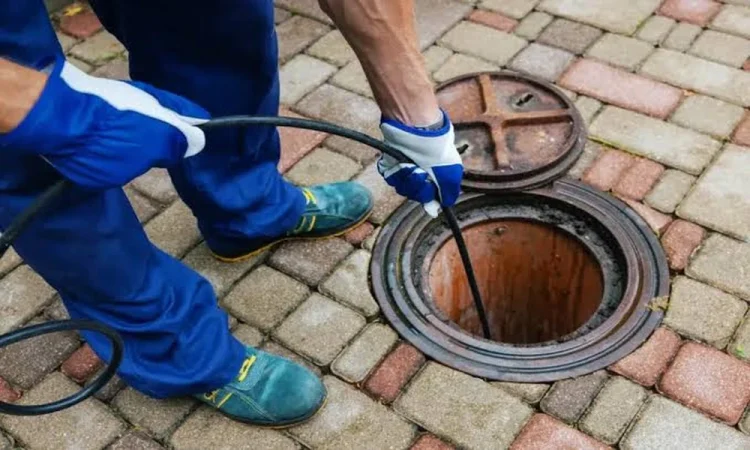
For clearing, mechanical augers, often called snakes, break through and pull out standard clogs and root intrusions. For heavier buildup, hydro jetting uses high-pressure water to scour the pipe walls clean, removing grease, scale, and roots and restoring the line close to its original diameter. Because it cleans so thoroughly, hydro jetting often keeps drains clear far longer than snaking alone.
When a line is broken or collapsed, repair options range from traditional excavation to trenchless methods that reline or replace the pipe with minimal digging, preserving your yard and driveway.
Are Chemical Drain Cleaners a Good Idea?
For most situations, no. Store-bought chemical cleaners are tempting for their low price and convenience, but they come with real drawbacks.
The harsh chemicals can damage older pipes, corroding metal and degrading seals over repeated use. They often fail to fully clear a clog, dissolving just enough to restore a trickle while the underlying blockage remains and rebuilds. They also pose safety risks to skin and eyes and are hard on the environment. For a stubborn or recurring clog, a professional clearing addresses the actual cause and protects your pipes in the process.
How Can You Prevent Drain and Sewer Problems?
Prevention is far cheaper than emergency repair, and most habits are simple.
In the kitchen, never pour grease down the drain. Let it cool and throw it in the trash instead. Use a drain strainer to catch food scraps and, in bathrooms, hair. Run hot water after using the sink to help keep the line clear.
Be mindful of what goes into toilets. Only human waste and toilet paper belong there. So-called flushable wipes, paper towels, and hygiene products cause a large share of blockages.
For the sewer line itself, consider a periodic camera inspection if your home is older or surrounded by mature trees. Catching root intrusion early, before it becomes a full blockage, lets a plumber clear it on your schedule rather than during an emergency. Homeowners with known root problems sometimes schedule routine cleaning to stay ahead of it.
When Should You Call a Professional?
Some clogs are fair game for a plunger or a hand-cranked drain snake. A single slow sink often clears with basic effort.
But call a professional when clogs keep returning, when several drains slow at once, when you hear gurgling or smell sewage, or when water backs up between fixtures. These signal a main-line or sewer problem that needs proper diagnosis. Attacking it with chemicals or repeated plunging wastes time and can make matters worse. A camera inspection quickly reveals the cause and the right fix.
Final Thoughts
Drains and sewer lines do their work out of sight, which is exactly why their problems catch homeowners off guard. In Denver, aging pipes, shifting clay soil, and root-hungry mature trees make these systems worth watching closely. Learn the warning signs, avoid the habits that cause clogs, and bring in experienced local professionals when the symptoms point to something deeper. A little attention keeps everything flowing and keeps a backup from ever reaching your floor.