
As a pool owner, you know that maintaining a crystal-clear swimming oasis requires dedication and regular upkeep. One of the most crucial aspects of pool maintenance is vacuuming, which helps remove debris, prevent algae growth, and ensure your pool remains a refreshing retreat for family and friends. But how often should you actually vacuum your pool? Is there a magic number, or does it depend on various factors? In this comprehensive guide, we’ll dive deep into the world of pool vacuuming, exploring the ideal frequency for different scenarios, the factors that influence cleaning schedules, and expert tips to keep your aquatic paradise in top shape. Whether you’re a seasoned pool owner or a newcomer to the world of backyard swimming, this article will equip you with the knowledge you need to maintain a sparkling clean pool that’s always ready for a refreshing dip. So, grab your pool skimmer and let’s plunge into the essential details of pool vacuuming frequency!
Understanding the Importance of Pool Vacuuming
Before we delve into the specifics of how often you should vacuum your pool, it’s crucial to understand why this maintenance task is so important. Regular vacuuming offers numerous benefits that contribute to the overall health and enjoyment of your swimming pool:
- Debris Removal: Vacuuming eliminates leaves, twigs, insects, and other debris that can accumulate at the bottom of your pool. This not only improves the pool’s appearance but also prevents these materials from decomposing and affecting water quality.
- Algae Prevention: By removing organic matter and sediment, vacuuming helps prevent the growth of algae, which can quickly turn your pool green and uninviting.
- Improved Water Circulation: Regular vacuuming ensures that your pool’s filtration system works more efficiently by removing particles that could clog the system.
- Enhanced Chemical Effectiveness: Clean water allows pool chemicals to work more effectively, maintaining proper pH levels and sanitization.
- Extended Equipment Lifespan: By reducing the workload on your pool’s filtration system, regular vacuuming can help extend the life of your pool equipment.
- Safer Swimming Environment: Removing debris and maintaining clear water creates a safer swimming environment, reducing the risk of slips, falls, or injuries from submerged objects.
Factors Affecting Pool Vacuuming Frequency
The frequency with which you should vacuum your pool isn’t a one-size-fits-all answer. Several factors come into play when determining the ideal cleaning schedule:
- Pool Usage: The more frequently your pool is used, the more often it will need to be vacuumed. High-traffic pools may require more frequent cleaning due to increased debris and contaminants introduced by swimmers.
- Environment: The surrounding environment plays a significant role in determining vacuuming frequency. Pools located near trees, in dusty areas, or in regions prone to windstorms may require more frequent cleaning.
- Season: Different seasons bring different challenges. For example, fall may require more frequent vacuuming due to falling leaves, while spring might bring pollen that needs to be removed regularly.
- Type of Pool: The type of pool you have (in-ground, above-ground, indoor, or outdoor) can affect how quickly debris accumulates and how often you need to vacuum.
- Filtration System: The efficiency of your pool’s filtration system can impact how often you need to vacuum. A more robust system may require less frequent manual vacuuming.
- Weather Conditions: Stormy weather, heavy winds, or rain can introduce more debris into your pool, necessitating more frequent cleaning.
- Presence of Pool Cover: If you use a pool cover when the pool is not in use, you may be able to reduce the frequency of vacuuming, as the cover helps keep debris out.
General Guidelines for Pool Vacuuming Frequency
While the ideal vacuuming schedule can vary based on the factors mentioned above, here are some general guidelines to help you establish a routine:
- Weekly Vacuuming: For most residential pools with average usage and typical environmental conditions, vacuuming once a week is usually sufficient to maintain cleanliness and water quality.
- Bi-Weekly Vacuuming: If your pool is lightly used, well-covered when not in use, and situated in a clean environment, you may be able to vacuum every other week.
- Multiple Times per Week: Pools in high-use areas, those surrounded by trees or vegetation, or those in regions with frequent wind or storms may require vacuuming two to three times per week.
- Daily Spot Cleaning: In addition to regular vacuuming, it’s a good practice to remove visible debris daily using a pool skimmer or leaf net. This can help reduce the workload during your main vacuuming sessions.
- Seasonal Adjustments: Be prepared to adjust your vacuuming schedule based on seasonal changes. For example, you may need to vacuum more frequently during fall leaf season or after spring pollen surges.
Signs That Your Pool Needs Vacuuming
Sometimes, your pool may give you clear signals that it’s time for a vacuum, regardless of your regular schedule. Watch out for these signs:
- Visible Debris: If you can see leaves, insects, or other debris settled at the bottom of your pool, it’s time to vacuum.
- Cloudy Water: Cloudy or hazy water can indicate a buildup of fine particles that need to be removed through vacuuming and filtration.
- Algae Growth: The presence of algae, even in small amounts, is a sign that your pool needs immediate attention, including thorough vacuuming.
- Stains or Discoloration: If you notice stains or discolored areas on the pool floor or walls, vacuuming can help remove the source of the discoloration.
- Reduced Water Flow: If you notice a decrease in the strength of your pool jets, it could indicate that debris is clogging your filtration system, necessitating a thorough vacuuming.
Types of Pool Vacuums and Their Impact on Cleaning Frequency
The type of pool vacuum you use can affect how often you need to clean your pool manually. Here are the main types of pool vacuums and how they impact cleaning frequency:
Manual Vacuums
These require you to physically move the vacuum around the pool. While they’re cost-effective, they don’t reduce the frequency of cleaning.
Automatic Pool Cleaners
- Suction-Side Cleaners: These attach to your pool’s skimmer or dedicated suction line and move around the pool randomly. They can reduce manual vacuuming frequency but may not clean as thoroughly as other types.
- Pressure-Side Cleaners: Connected to a dedicated pressure line or pool return, these are more efficient and can significantly reduce the need for manual vacuuming.
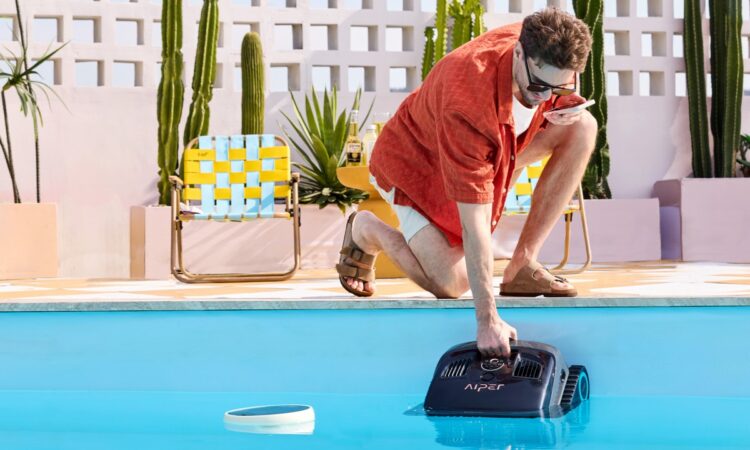
- Robotic Cleaners: The most advanced option, a robotic pool cleaner can operate independently of your pool’s filtration system and can dramatically reduce the frequency of manual cleaning.
- In-Floor Cleaning Systems: Built into the pool during construction, these systems use pop-up jets to push debris towards the main drain, reducing the need for manual vacuuming.
Tips for Efficient Pool Vacuuming
To make your pool vacuuming more effective and potentially reduce the frequency of cleaning, consider these tips:
- Brush Before Vacuuming: Use a pool brush to loosen debris from walls and floors before vacuuming for more thorough cleaning.
- Vacuum to Waste: For pools with significant debris or algae, vacuum directly to waste instead of through the filter to prevent clogging and recirculation of contaminants.
- Maintain Proper Chemical Balance: Well-balanced pool water can help prevent algae growth and reduce the frequency of necessary vacuuming.
- Use a Pool Cover: When the pool is not in use, especially overnight or during stormy weather, use a pool cover to minimize debris accumulation.
- Trim Surrounding Vegetation: Regularly trim trees and plants near your pool to reduce the amount of organic matter that can fall into the water.
- Invest in Quality Equipment: High-quality vacuums and filtration systems can make cleaning more efficient and potentially reduce the frequency of necessary vacuuming.
- Establish a Routine: Consistency is key in pool maintenance. Set a regular schedule for vacuuming and stick to it to prevent buildup of debris and contaminants.
The Role of Professional Pool Services
While regular DIY maintenance is crucial, considering professional pool services can be beneficial, especially for busy pool owners or those with complex pool systems. Professional pool technicians can:
- Provide thorough, deep cleaning services
- Identify and address potential issues before they become major problems
- Offer guidance on optimal cleaning schedules based on your specific pool and environment
- Perform maintenance tasks that require specialized knowledge or equipment
Many pool owners find that a combination of regular DIY maintenance and periodic professional services provides the best balance for keeping their pools in top condition.
Conclusion: Finding Your Ideal Pool Vacuuming Rhythm
In the end, the frequency with which you should vacuum your pool depends on a variety of factors unique to your situation. While weekly vacuuming is a good starting point for most pool owners, you may need to adjust this schedule based on your pool’s usage, environment, and the time of year.
The key is to be observant and responsive to your pool’s needs. Regular monitoring of water clarity, debris accumulation, and overall pool condition will help you develop an intuitive sense of when your pool needs attention. By staying proactive with your pool maintenance, including regular vacuuming, you’ll ensure that your aquatic oasis remains a clean, safe, and inviting retreat for you, your family, and your guests all season long.
Remember, a well-maintained pool not only enhances your enjoyment but also protects your investment in your home and outdoor living space. So find your best pool cleaner, establish a routine, and dive into the satisfying world of pool maintenance – your sparkling clean pool will thank you!