
When Seattle finally turns up the heat, your AC system has to work harder than usual. During those warm stretches across neighborhoods near Capitol Hill or homes closer to Green Lake, high demand can expose weaknesses that stay hidden the rest of the year.
One of the biggest truth tellers in your system is the AC fan motor. So what is it trying to tell you?
Thermal Overload And Sudden Shutdowns
Does your AC run for 15 to 20 minutes and then suddenly stop, only to restart later? That stop-and-start pattern often means the motor is overheating. Most fan motors have built-in thermal protection. When temperatures rise too high, the motor shuts down to cool itself.
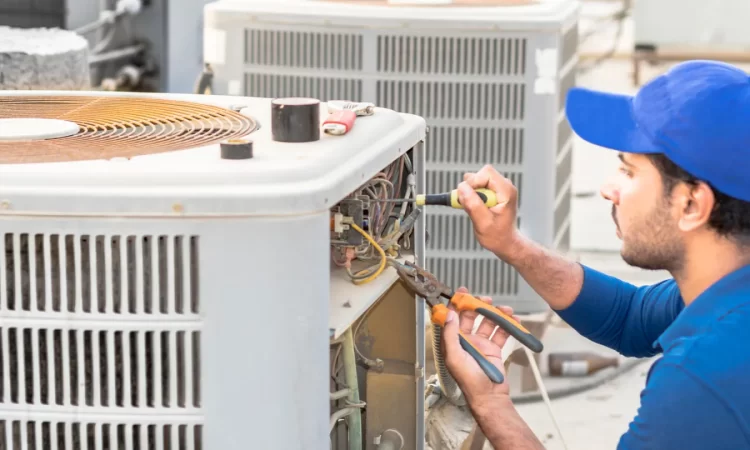
Touch the outdoor unit carefully. Warm is normal. Extremely hot, discolored, or smelling burnt is not. High heat demand pushes weak motors to their limits, and overheating is often the first warning sign.
Speed And Airflow Changes
Have you noticed weaker airflow inside your home even though the thermostat is set low? A struggling fan motor may spin slower than it should. Outdoor blades might look sluggish, or you may hear humming before they start turning.
Sometimes the issue is a weak capacitor that delays startup. Other times it is internal wear reducing torque. Either way, slow fan speed means your system cannot release heat properly, which forces the compressor to work harder and raises energy bills.
Audible Stress Signals
Strange noises during hot days are not random. They are clues.
A high-pitched squeal usually means worn bearings. A loud humming sound can point to electrical strain. Grinding is more serious and often signals internal damage that can lead to total motor failure.
When heat demand increases, these sounds often become louder because the motor is under constant strain.
Electrical Warning Signs
High demand also increases electrical draw. If your breaker trips only on the hottest days, your fan motor may be pulling too much power due to overheating or internal shorts.
Another red flag is a burning or sharp odor coming from vents or the outdoor unit. That smell can indicate melting wire insulation inside the motor. This requires immediate professional attention.
Final Thoughts
Your AC fan motor works hardest when Seattle temperatures rise. Pay attention to shutdowns, airflow changes, strange noises, or electrical issues. These signals are your system’s way of asking for help before a full breakdown happens.
If your AC has recently struggled during the hottest part of the afternoon, it may be time for a professional inspection. Contact Seatown Electric Plumbing Heating and Air for expert diagnostics and reliable service that keeps your home comfortable even during peak demand.