
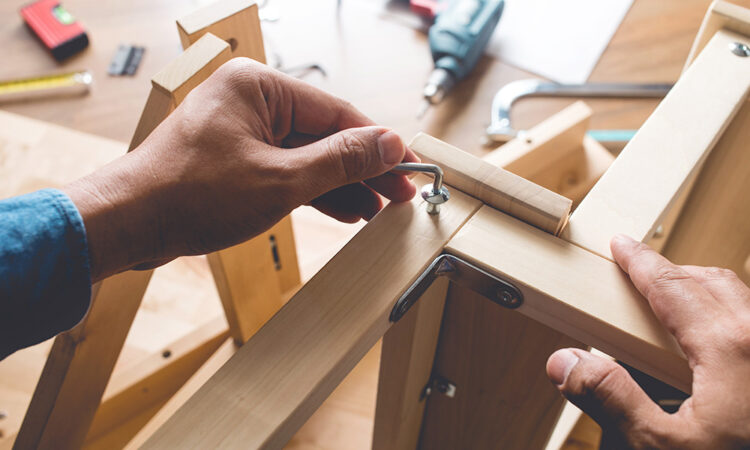
Precise measurements form the foundation of successful furniture assembly projects. Without careful measuring, even simple pieces can become unusable disasters that waste time and materials. Möbel aufbau Firma Wien knows that measurement errors cascade through every assembly step, creating problems that become expensive to fix later.
Space planning
Measuring your intended furniture location prevents costly discoveries after assembly completion. Room dimensions, ceiling height, and doorway clearances all impact whether your finished piece will fit properly in its designated space. Many people focus solely on length and width while forgetting about depth requirements, especially for entertainment centers or deep bookcases that extend further into rooms than expected. Consider furniture placement about existing items, electrical outlets, and traffic flow patterns. A perfectly assembled wardrobe becomes problematic if it blocks access to light switches or creates narrow walkways. Measure distances between walls, windows, and furniture to ensure adequate clearance for doors, drawers, and daily movement around the piece.
Door clearance matters
Assembled furniture must pass through doorways, hallways, and staircases to reach its final destination. Many large pieces require disassembly for transport through tight spaces, making post-assembly relocation difficult or impossible. Measure doorway widths, heights, and architectural features like trim or thresholds that might reduce clearances. Critical measurement points include:
- Standard interior doorways typically measure different widths
- Hallway widths vary between older and newer construction
- Stair railings and landings create additional obstacles
- Elevator dimensions’ limit furniture size in apartment buildings
- Corner turns require diagonal clearance calculations
These measurements prevent situations where completed furniture becomes trapped in assembly rooms or requires damaging removal through windows or dismantling.
Hardware placement precision
Accurate measurements ensure cabinet doors align properly, drawers slide smoothly, and handles sit comfortably. Minor measurement errors in hinge placement create visible gaps between doors or prevent them from closing flush with cabinet faces. Drawer slide positioning affects how smoothly drawers operate and whether they can support intended weight loads. Handle and knob placement requires consistent measurements across multiple components to maintain visual harmony. Doors with misaligned handles look unprofessional and feel awkward during daily use. Measure from consistent reference points like bottom edges or centre lines to maintain uniform spacing across all hardware installations.
Wall mounting accuracy
Wall-mounted furniture demands precise measurements for both safety and appearance. Mounting brackets must align with wall studs for adequate support, while visible hardware should maintain level positioning and appropriate spacing. Incorrect measurements result in tilted shelves, inadequate support, or visible mounting hardware that detracts from the furniture’s appearance. Use electronic stud finders to locate solid mounting points, then measure carefully to ensure brackets align with furniture mounting points and wall structure. Mark all mounting locations before drilling to verify measurements and avoid irreversible drywall or paint finish mistakes.
Checking the dimensions
Verification measurements during assembly prevent compounding errors that affect final functionality. Check diagonal measurements on rectangular frames to confirm square assembly before proceeding to subsequent steps. Measure shelf spacing to ensure consistent gaps that accommodate intended storage items. Regular measurement checks include:
- Frame squareness before installing back panels
- Shelf positioning for proper clearances
- Door swing arcs to prevent conflicts with walls or other doors
- Drawer opening dimensions for intended contents
- Overall height and width against original specifications
These verification steps catch errors while correction remains possible without major disassembly. Taking extra time for careful measurements throughout the assembly process eliminates frustration and produces furniture that serves its purpose reliably while maintaining visual appeal in your living space.