Eco-Friendly and Chic Sustainable Sofa Upholstery Options for Modern Homes

In today’s world, sustainability has become more than a buzzword-it’s a lifestyle. Homeowners are increasingly conscious about the materials they bring into their spaces, from flooring to furniture. Sofas, often the centerpiece of living rooms, are no exception. Choosing sustainable sofa upholstery allows you to combine style, comfort, and environmental responsibility, proving that eco-friendly can also be chic.
Why Sustainable Sofa Upholstery Matters
Sustainable upholstery focuses on materials and processes that reduce environmental impact. This includes natural fibers, recycled fabrics, and low-impact manufacturing techniques. Beyond helping the planet, sustainable choices also offer health, durability, and aesthetic benefits.
Healthier Living Spaces: Natural and organic fabrics like cotton, linen, and hemp are free from harmful chemicals commonly found in conventional upholstery, creating a safer indoor environment.
Durability: Eco-friendly materials are often long-lasting, meaning less frequent replacements, which is better for both your budget and the environment.
Environmental Responsibility: Using responsibly sourced or recycled fabrics helps reduce waste, conserve resources, and lower the carbon footprint associated with furniture production.
Stylish Sustainable Fabric Options
Gone are the days when eco-friendly meant dull or limited choices. Modern fabrics combine sustainability with contemporary design, textures, and colors. Here are some popular sustainable upholstery options:
Organic Cotton
Grown without pesticides or harmful chemicals, organic cotton is soft, breathable, and versatile. It’s available in a wide range of colors and patterns, making it suitable for both modern and classic living room styles.
Linen
Linen, made from flax fibers, is naturally durable, hypoallergenic, and softens with age. Its natural texture adds a sophisticated, timeless touch to any sofa while remaining environmentally friendly.
Hemp
Hemp is one of the most eco-conscious fabrics available. It requires minimal water and no synthetic fertilizers. Strong and durable, hemp upholstery works well in high-traffic areas and adds a rustic, organic charm to interiors.
Recycled Polyester
Recycled polyester, made from post-consumer plastics, is a sustainable option that’s both durable and stain-resistant. It’s ideal for families or pet owners and helps divert plastic waste from landfills.
Bamboo Fabric
Bamboo grows quickly without pesticides and requires little water, making it highly sustainable. Bamboo upholstery is soft, breathable, and naturally antibacterial, perfect for modern, eco-conscious homes.
Budget-Friendly Sustainable Choices
There’s a misconception that sustainable upholstery is always expensive. While some premium fabrics may cost more initially, they often save money in the long run due to their durability. Affordable options include:
Upcycled Sofas: Giving old sofas a fresh look with sustainable fabrics reduces waste and can cost less than buying new furniture.
Recycled Blends: Many brands offer blended fabrics combining recycled polyester with natural fibers, balancing cost, durability, and eco-friendliness.
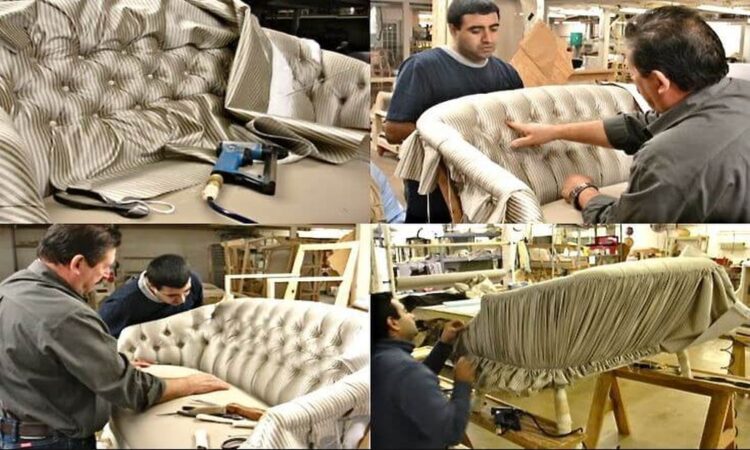
DIY Reupholstery: Reupholstering at home with eco-friendly fabrics is a creative and cost-effective way to update furniture sustainably.
Tips for Choosing the Right Eco-Friendly Sofa Fabric
When selecting sustainable upholstery, consider your lifestyle, comfort, and design preferences:
Assess Durability Needs: Homes with kids or pets benefit from strong, stain-resistant fabrics like recycled polyester or hemp blends.
Feel and Texture: Always touch and test fabric samples to ensure comfort. Sofas are not just decorative-they are meant to be used daily.
Check Certifications: Look for fabrics certified by GOTS (Global Organic Textile Standard) or OEKO-TEX, ensuring eco-friendly production practices.
Mix & Match: Combining fabrics, like a recycled polyester base with linen cushions, can optimize durability and comfort while maintaining a chic aesthetic.
Design Ideas for Eco-Friendly Sofas
Sustainable upholstery doesn’t mean compromising style. Here are some modern design ideas:
Bold Patterns: Use organic cotton or linen in bright, vibrant patterns to make your eco-friendly sofa a statement piece.
Minimalist Aesthetic: Neutral-toned hemp or linen sofas complement minimalist, Scandinavian-inspired interiors beautifully.
Textural Layering: Combine smooth bamboo with textured hemp or recycled blends to add depth and sophistication to your living space.
The Long-Term Benefits
Choosing eco-friendly upholstery is an investment in your home, health, and the planet. Beyond aesthetics, sustainable sofas:
Reduce exposure to harmful chemicals, supporting a healthier lifestyle.
Minimize waste by using long-lasting or recycled materials.
Contribute to environmental conservation by lowering resource consumption and pollution.
Conclusion
Sustainable sofa upholstery Abu Dhabi proves that being eco-conscious doesn’t mean sacrificing style, comfort, or budget. With fabrics like organic cotton, linen, hemp, recycled polyester, and bamboo, homeowners can create beautiful, modern living spaces that reflect their values. Whether updating an old sofa or purchasing a new one, eco-friendly choices enhance durability, aesthetic appeal, and environmental responsibility.
By choosing sustainable fabrics, you’re not just investing in your home-you’re supporting a greener, healthier future. Eco-friendly and chic truly go hand in hand, proving that conscious choices can look as good as they feel.