

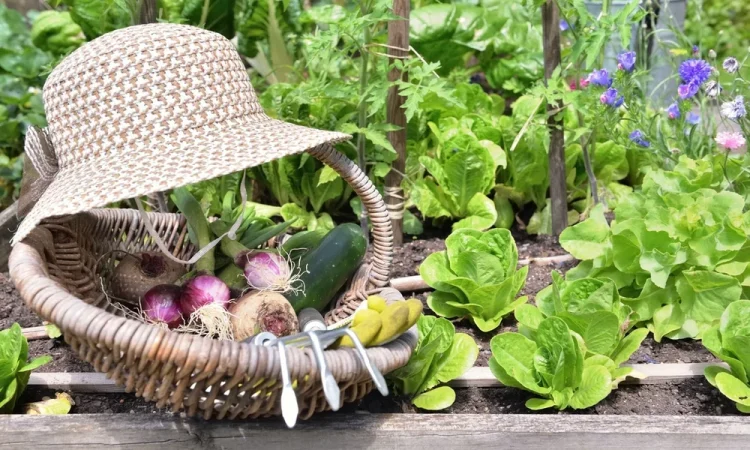

When more garden produce arrives than you planned for, choose what belongs in today’s meal instead of trying to use everything at once. Let those vegetables guide a simple accompaniment to a frozen central item, then decide how the remainder will be used, stored, or shared. One focused dinner can be useful without becoming a large cooking project.
Identify the produce that needs a meal today
Look at what you actually have. A basket of tomatoes creates a different dinner decision from a collection of leafy greens or a few large squash. Name the vegetables and assess their condition rather than treating the whole basket as one urgent task. Some items may suit today’s meal, while others need a different plan.
Choose produce that is suitable to eat and handle it appropriately. A garden origin does not remove the need for ordinary washing, storage, and inspection. If something is no longer suitable, do not force it into dinner merely because you grew it or received it from a neighbor.
Decide which vegetables you most want to eat now. Enthusiasm is useful here: a meal built around a favorite tomato preparation is easier to complete than an elaborate plan intended only to make the pile smaller. Select a manageable amount for the people at the table and reserve the rest for a separate decision.
Keep the available preparation time in view. If you have a short evening, choose a familiar method that fits it. A garden surplus does not require a new preserving project, several side dishes, or a recipe that uses every vegetable at once. The immediate task is dinner.
Choose the filling after the vegetable direction
Once you know the vegetable component, consider what flavor you want beside it. A tart tomato preparation may make a potato-and-cheddar filling appealing. A strongly seasoned side may call for a simpler central flavor. Use the actual preparation you intend, since seasoning can change the relationship as much as the vegetable itself.
Poppin’ Cheddar Bites contain potato and cheddar in mini vegetarian pierogies. If that combination fits the produce you have selected, the dumplings can provide a defined part of the meal while the vegetables remain the focus of your fresh preparation. The mini format still needs a suitable plate and utensil arrangement.
Review the Holy Perogy range for Raleigh to identify the desired filling before seeking a retailer. This lets the purchase answer the vegetable plan already established at home. You can ask about the exact variety instead of buying an assortment and then trying to make the garden produce accommodate it.
Keep the dumpling preparation within the current package directions. The products are frozen and uncooked, so account for that task alongside the vegetables. A familiar side can help keep the overall meal manageable while you follow the instructions for the chosen product.
Consider whether any additional sauce is needed. The vegetables may already supply a tart or juicy element that you enjoy beside the cheese filling. Taste the assembled meal before deciding that a separate dip must join it. One less vessel can make a produce-heavy preparation easier to serve.
Keep one ingredient as the focus
Choose a vegetable to lead the side and let others play supporting roles only if they contribute something useful. A tomato-focused dish does not need every herb and vegetable in the basket. The chosen ingredient can remain easy to taste when the preparation is restrained.
If several vegetables have different preparation needs, resist combining them solely for convenience. Use a method that suits the food you selected, and give the remaining items another place in the meal plan. A single crowded pan or bowl can create more uncertainty than two simple dinners on different days.
Make the serving arrangement reflect that focus. Put the vegetable side where people can reach it or include it clearly on individual plates. Do not let it become a small garnish hidden beneath a large dumpling serving if the produce was the reason for making the meal.
Ask the household what they would enjoy repeating. If the vegetable preparation works well, it can become a useful response to another surplus. Repetition can be practical when the same produce appears again, provided the people eating still want it.
Keep any optional finish separate when preferences differ. An herb or condiment that one person likes may dominate the vegetable for another. The ingredient you worked to use should remain recognizable to both, with room for individual additions.
Share or store the remainder according to its needs
After selecting today’s food, decide what happens to the remainder. Assign another meal to the produce you intend to keep and use appropriate storage for each item. “Save for later” becomes more useful when later has a concrete purpose, such as a planned lunch or a familiar side on the next dinner menu.
If sharing, ask whether the recipient wants the produce and can use the amount offered. A surplus passed along without agreement can simply become someone else’s unresolved task. Describe what you have and let them choose a useful quantity.
Adjust the next grocery list around the food now available. Buying the usual vegetables without checking the garden supply can recreate the surplus. Keep the central item or other essentials on the list while reducing duplicate purchases that no longer have a role.
Finish with a kitchen that has a plan rather than a basket still demanding attention. Today’s vegetables have become dinner, and the remainder has a destination. That practical result is enough; the garden does not need to turn every evening into an ambitious cooking event.