
A fireplace has long been a symbol of warmth, comfort, and tradition in British and Irish homes. In today’s property market, its appeal extends far beyond mere aesthetics or nostalgia. Homeowners and prospective buyers alike are increasingly recognising the value a fireplace brings, not only in terms of ambience but also as a strategic investment that can increase property value. This article delves into why a fireplace remains a prized feature and how it can positively influence your home’s market worth.
Creating a Desirable Focal Point
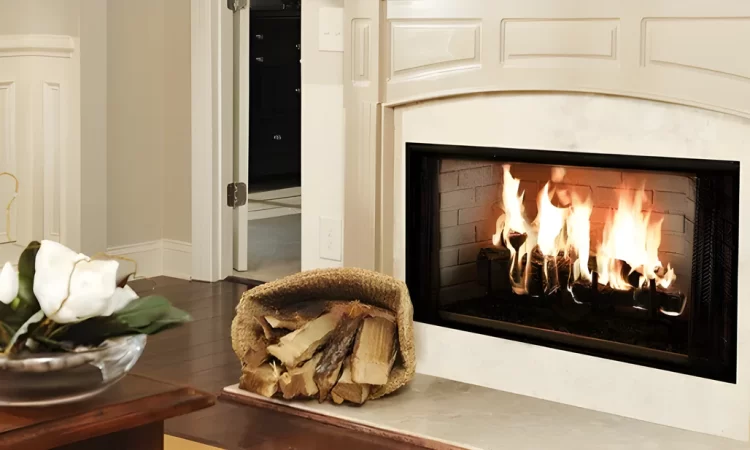
One of the main reasons fireplaces are sought after is their ability to serve as a striking focal point within a living space. Whether traditional or contemporary in style, a fireplace naturally draws the eye and creates a sense of cosiness and gathering. In an age where open-plan living is popular, having a central feature like a fireplace can help define spaces without the need for walls, adding both character and practicality.
For many buyers, especially in regions with cooler climates such as the UK and Ireland, a fireplace is associated with comfort during the winter months. The psychological appeal of curling up by a fire is powerful, making properties with this feature more memorable and desirable during viewings.
Increasing Energy Efficiency and Cost Savings
Modern fireplaces are not just decorative; they can also be highly efficient sources of supplemental heating. Up-to-date wood-burning stoves, classic gas fires, or even electric wall inset fireplaces can help reduce reliance on central heating, thereby lowering energy bills. With rising energy costs and growing environmental awareness, buyers are increasingly looking for homes that offer efficient heating solutions.
Properties equipped with energy-efficient fireplaces or stoves, particularly those with high energy ratings, may appeal to eco-conscious buyers. Upgrading an outdated fireplace to a modern, efficient model can be a relatively simple way to increase your property’s value while enjoying the benefits of lower running costs.
Boosting Kerb Appeal and Marketability
Estate agents consistently report that homes with fireplaces tend to attract more interest and can command higher prices. When marketed effectively, a fireplace can set your property apart from similar listings, increasing the likelihood of a quicker sale. Photographs featuring a roaring fire can make listings stand out online, where first impressions are crucial.
Furthermore, a well-maintained or recently installed fireplace indicates to buyers that the property has been cared for, which can further bolster confidence and perceived value. Even in new-build homes, where fireplaces are less common, their inclusion can serve as a unique selling point.
Potential Return on Investment
While the exact increase in property value varies depending on location, property type, and market conditions, studies have shown that homes with fireplaces can sell for as much as 5-12% more than those without. In competitive markets, this could mean thousands of pounds in added value. The cost of installing a fireplace – particularly a modern, energy-efficient model – is often outweighed by the potential return upon sale.
It’s important to note that the style and quality of the fireplace matter. A professionally installed fireplace that complements the home’s architecture is far more likely to add value than a DIY or poorly maintained one. Likewise, features such as built-in shelving or a stylish mantelpiece can further enhance the overall effect.
Types of Fireplaces and Their Impact
The type of fireplace you choose can also influence your property’s value. Traditional wood-burning fireplaces are popular for their authenticity and charm but require regular maintenance and may be subject to local smoke control regulations. Gas and electric fireplaces offer convenience, ease of use, and low maintenance, making them attractive to a wider range of buyers.
For historic homes, restoring an original fireplace can preserve period features and add significant character. In new or renovated properties, contemporary designs – such as minimalist wall-mounted fires – appeal to modern tastes and are often easier to install.
Considerations Before Installing or Upgrading a Fireplace
Before adding or upgrading a fireplace, consider the following:
- Local Regulations: Check planning permissions and environmental regulations, especially for wood-burning stoves in smoke control areas.
- Professional Installation: Always use qualified professionals to ensure safety and compliance with building codes.
- Maintenance: Regular servicing and cleaning are essential for safety and efficiency.
- Style Consistency: Ensure the fireplace complements the overall design and era of your home.
Conclusion: A Warm Investment for the Future
A fireplace remains a time-honoured feature that appeals to buyers and enhances the lifestyle of homeowners. Whether for its aesthetic charm, energy-saving potential, or the boost it provides to property value, a fireplace is an investment that pays dividends in comfort and financial return. If you’re considering ways to elevate your property’s market appeal, installing or upgrading a fireplace could be the perfect move to set your home apart in today’s competitive housing market.