
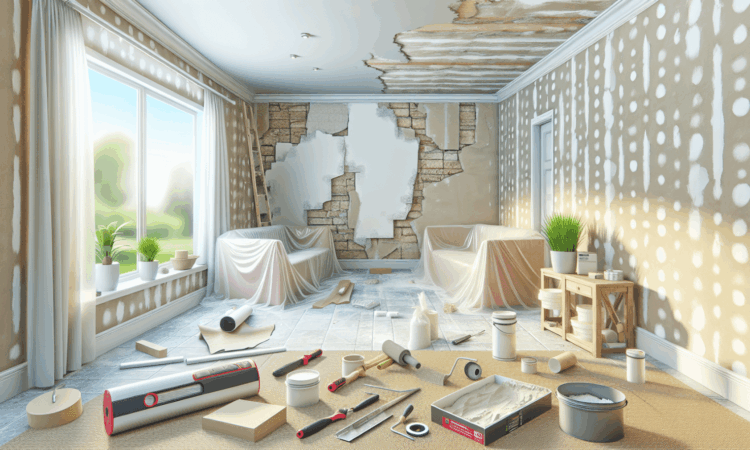
Drywall is one of the most widely used materials in modern homes because it creates smooth wall surfaces quickly and affordably. However, despite its convenience, drywall is vulnerable to damage over time. Small dents from furniture, cracks from structural movement, or holes caused by accidents are common problems homeowners face. Understanding the basics of fixing damaged drywall helps restore walls to their original condition without requiring a full renovation.
Many homeowners assume that wall damage always requires major repairs, but in most cases the problem can be resolved with targeted restoration techniques.
Common Causes of Drywall Damage
Before repairing a wall, it is helpful to understand what caused the issue in the first place. Identifying the source of the damage prevents the same problem from occurring again.
Several everyday situations lead to drywall damage:
Furniture Impact
Moving furniture or appliances often results in dents or punctures in wall surfaces.
Building Movement
Natural settling of a home can create hairline cracks along drywall joints.
Moisture Exposure
Leaks from plumbing or roofs can weaken drywall panels and cause soft spots.
Door Handle Collisions
Doors swinging open too forcefully may leave circular holes in the wall.
These problems are common in both new and older homes, making drywall repair an important maintenance skill.
Types of Drywall Damage and How They Differ
Not all wall damage is the same. The repair approach depends on the severity of the issue.
Small Nail Holes
These are the easiest to repair. They usually occur when picture frames or wall décor are removed. A small amount of filler is typically enough to restore the surface.
Surface Dents
Minor dents from accidental bumps can often be smoothed with patching compound and light sanding.
Cracks Along Seams
Cracks sometimes appear where drywall sheets meet. These often occur due to structural settling or temperature changes.
Medium Holes
Holes larger than a few inches may require a drywall patch to support the repair material.
Recognizing the type of damage helps determine the correct repair method.
Warning Signs That Walls Need Immediate Attention
Ignoring drywall damage can sometimes lead to larger structural issues. Homeowners should pay attention to certain warning signs.
Watch for these indicators:
- Expanding cracks that grow longer over time
- Soft drywall areas caused by moisture
- Visible mold growth near damaged sections
- Bulging or uneven wall surfaces
When these issues appear, addressing them early can prevent more costly repairs later.
Preventing Future Wall Damage
Once repairs are completed, homeowners can take simple steps to protect their walls.
Preventive strategies include:
- Installing door stoppers to prevent handle impact
- Checking plumbing lines regularly for leaks
- Using furniture pads when moving heavy objects
- Maintaining proper indoor humidity levels
These precautions reduce the likelihood of repeated wall damage.
When Professional Help May Be Necessary
While minor repairs are manageable for many homeowners, larger structural problems sometimes require professional assistance. Extensive cracks, water damage, or damaged framing behind drywall should be evaluated by experienced contractors.
Professionals who specialize in fixing damaged drywall can assess deeper issues that may not be visible on the surface and ensure that the repair blends seamlessly with the surrounding wall.
Maintaining Smooth and Durable Walls
Well-maintained drywall contributes to the overall appearance and comfort of a home. Regular inspections and prompt repairs help prevent small problems from turning into large ones.
By understanding the causes of damage and the appropriate solutions, homeowners can maintain smooth, durable wall surfaces while extending the lifespan of their interior finishes.