
It’s easy to miss house numbers. They are compact, functional and typically installed without any consideration other than the need to have the address clearly visible. However, when placed next to a front door or gate, they become the first impression of the home. It is possible to have an entrance that looks crisp and contemporary with the proper numbers, and it can look oddly out of place when the numbers are used in the wrong style. Choosing well is really about finding a design that feels like it belongs.
The entrance of a home often feels more polished when its smaller details work together rather than competing for attention. Well-chosen house numbers can contribute to that balance by combining clear visibility with a style that complements the door, exterior materials, and surrounding features. Whether the home has a contemporary, traditional, or rustic design, considering the numbers as part of the overall facade can make the entryway feel more intentional and welcoming.
Start With the Architecture
Thoroughly inspect your house before making a selection. Would you prefer a sleek and minimalistic look, a traditional and detailed design, or a warm and rustic one?
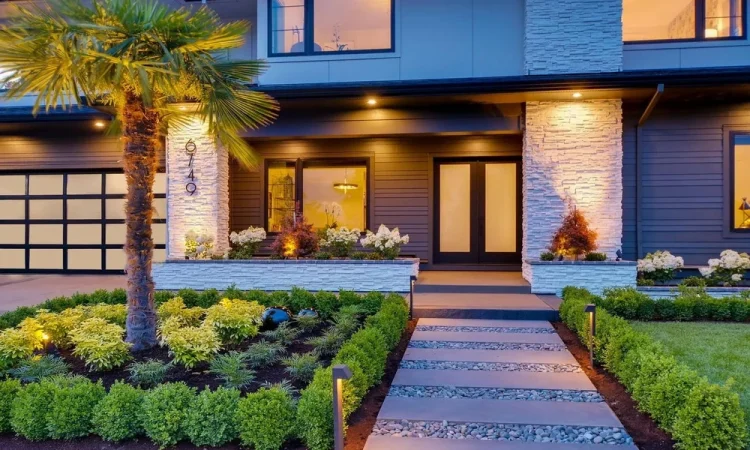
A contemporary house with clean lines and big windows might not be a good match for simple numbers and clean lines. Slightly softer lettering or a traditional look can match the existing architectural features on a more traditional property. If the house is surrounded by timber, stone or brick then the numbers might be enhanced by using a similar natural material. It’s not about copying all the elements of the house. Rather, search for a visual link.
Consider materials and finishes.
The character of a house number can change completely when it comes to material. Brushed metal is a very subtle and elegant look. A dark finish could be a good contrast against a light coloured exterior, and warmer tones could look great with wood or earthy stone.
There’s texture, too. Smooth surfaces will help to create a more modern look, whereas slightly aged and/or handcrafted finishes can lend a more relaxed and lived-in feel. Before choosing a new finish, think about the materials already in place at your home. Even well-designed facades can look cluttered if there are too many materials being used.
Select a size that works for you.
Small numbers can fall easily on the ground or on the wall with a texture. If the numbers are oversized, however, they can overpower a small entrance. Consider the viewing distance. A number should be easy to read, but not the centre of attention! The size of the door, wall, gate and other features around it are all important. Generally, a large exterior space will work well for a larger design, but if it is a small entry space, it might be better to go with something more subdued.
Pay Attention to Placement
The placement of numbers can be as important as the numbers themselves. Each placed beside the front door, above an entryway, on a gate or mounted on a wall, makes a slightly different impression.
Remember, visibility as well. Numbers must be legible under various lighting conditions and not obstructed by plants, decoration or architecture.
Invite the Numbers to be part of the House!
The greatest house numbers are not an afterthought. They subtly strengthen the character of the facade.
See the facade as a whole, think of the colours, materials, proportions and style and select numbers that will fit into this. It’s a minor choice, but once all the elements are in place, the entrance can instantly look more complete-and definitely yours.