
Before and After: How a Commercial Window Cleaning Transformed This San Francisco Office Building

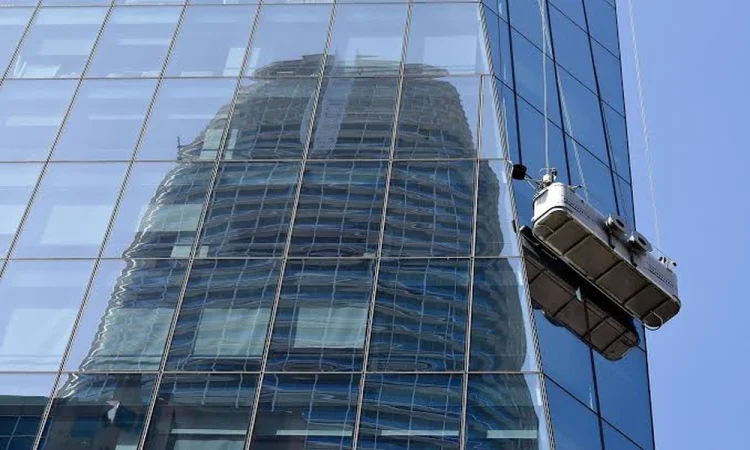
First impressions happen fast, and for a commercial building, they start with the glass. When windows are streaked, hazy, and spotted, the whole property looks tired, no matter how modern the lobby is. That was the situation at a [number]-story office building in [neighborhood], San Francisco, until a full-service Commercial Window Cleaning project brought it back to life.
Here’s what the building looked like before, how the job was handled, and what changed afterward.
The Before: A Building Hidden Behind Its Own Glass
The property manager reached out after several tenants commented that the building looked dingy from the street. A walk-around made the problem obvious:
- Salt and fog residue. Years of marine air and damp mornings had left a dull film across the exterior glass.
- Mineral spots. Water had dried on the windows repeatedly, leaving stubborn white marks.
- Dirty frames and sills. Dust, grime, and bird droppings had built up along the edges and ledges.
- Streaky storefront glass. The ground-floor windows, the ones visitors see first, were covered in fingerprints and smudges.
- Dim interiors. Tenants noticed that offices felt darker and that views were softer than they used to be.
None of this happened overnight. It built up gradually, which is exactly why the owners had stopped noticing it.
The Plan: Matching the Method to the Building
A building like this can’t be cleaned with a bucket and a ladder. The crew started with a site assessment to decide how to reach and clean every pane safely. They considered the height of the building, the type of glass, access points, foot traffic, and weather conditions.
The plan covered four main points:
- Safe access. Using the appropriate equipment for upper floors and areas that ground-level tools couldn’t reach.
- Scheduling. Working early and in phases to minimize disruption to tenants and visitors.
- Protection. Setting up signage and barriers on the sidewalk and protecting landscaping and entryways.
- Method. Using purified or specialty cleaning approaches suited to heavy mineral and salt buildup.
Because rain and wind can interrupt exterior work in the Bay Area, the schedule also included a backup window so the project wouldn’t stall.
The Process: Step by Step
The crew worked from the top down so dirty water never ran over glass that was already clean. Each pane was washed, rinsed, and finished by hand or with appropriate tools to avoid streaks. Frames, sills, and tracks were cleaned along with the glass, since leftover grime there can drip back onto freshly cleaned windows. Stubborn mineral deposits received targeted treatment, and the ground-floor storefront got extra attention because it carries the most visual weight.
A final inspection pass checked every elevation for missed spots, streaks, and edge residue.
The After: What Changed
The difference was visible from across the street. Here’s what the property manager and tenants noticed:
- Sharper curb appeal. The building looked cleaner, newer, and better maintained.
- More natural light. Offices felt brighter, and views of the city were clearer.
- Happier tenants. Several tenants mentioned the improvement unprompted.
- Stronger first impressions. Visitors walking in saw a lobby with spotless glass rather than a smudged entrance.
- A better baseline. With the heavy buildup removed, future cleanings would be faster and simpler.
For [Company Name], this project also showed how much a routine service can change perceptions of a property without any renovation at all.
Why Regular Service Beats One-Time Rescues
The best results come from consistency. After a heavy restoration clean, the building moved to a regular maintenance schedule so residue wouldn’t build up again. Many San Francisco properties benefit from a recurring plan, with frequency depending on height, exposure, nearby construction, and how much foot traffic the building sees. Storefronts and lobbies often need more frequent attention than upper floors.
What to Look for in a Provider
When choosing a company for Commercial Window Cleaning San Francisco buildings can rely on, ask about:
- Licensing, insurance, and workers’ compensation coverage
- Experience with multi-story and high-rise properties
- Safety procedures and equipment
- Flexible scheduling that works around tenants
- Clear written proposals and recurring service options
The Bottom Line
Clean glass is one of the most cost-effective ways to improve how a building looks and feels. This office building didn’t need a renovation. It needed its windows back. If your property is starting to look dull from the street, a professional Commercial Window Cleaning San Francisco service can deliver a before-and-after difference that tenants, visitors, and owners will all notice.