
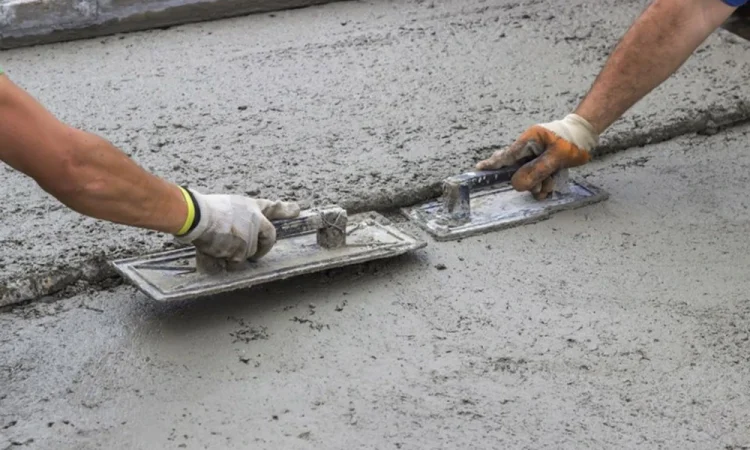
Concrete in Middle Tennessee has a hard job. Our clay soil swells when it is wet and shrinks when it is dry, and slabs move with it. Driveways sink, patios tilt toward the house, and walkways crack at the joints.
I wrote this guide to help you choose a contractor for a new pour, a repair, or a sunken slab that needs lifting. I looked at what local companies offer, how they describe their prep work, how they handle pricing, and whether they will tell you when replacement is not needed. One company stood out from that review, a contractor called Nashville Concrete that serves 101 towns across 12 counties of Middle Tennessee.
Below, I cover how to judge the work, what to ask, and why I think they are a strong choice for your project.
Why Concrete Fails Here
Most concrete problems start below the surface. A slab is only as good as the ground under it.
When a contractor pours over loose or wet clay, the slab settles. When a crew skips joints, the slab cracks in places no one planned. When a patio slopes the wrong way, water runs to your door.
Keep these causes in mind when you compare companies:
- Weak or uneven base under the slab
- No steel inside the slab
- Joints cut late or in the wrong places
- Extra water added to the mix on site
- Poor grading around the pour
A good contractor talks about all five before you sign anything.
Decide Whether to Level or Replace
If your concrete has sunk but is still in one piece, you may not need a new slab. Concrete leveling lifts the slab back into place. The two common methods are mudjacking and polyurethane foam.
Leveling often costs a fraction of replacement. It works well on sunken driveways, walkways, and patios.
Some slabs are past saving. Deep cracks, crumbling surfaces, and broken edges often mean replacement is the right choice.
I tell people to look for a contractor who offers both options and will say which one fits. A company that only sells new pours has a reason to call every slab bad. A company that lifts and replaces can give you a fair answer.
What Good Prep Looks Like
You can learn a lot by asking how a crew builds a slab. Here is what I look for:
- A gravel base packed in layers over stabilized clay
- Rebar or mesh held up on chairs in the middle of the slab
- Control joints cut within the first day
- Expansion joints where the concrete meets the house
- No water added to the mix on site
Each item protects the slab from the clay and the weather. If a contractor cannot explain these steps in plain words, keep looking.
Driveways and Aprons
A driveway takes the most weight and the most weather. The tear-out, the base, the steel, and the pour all matter.
The apron, where your driveway meets the street, has its own rules. The city sets details for it, and a contractor should know them. A good crew builds the apron to those details and ties it in clean with the street.
Patios and Outdoor Slabs
A patio should drain away from your house. That sounds simple, but many patios do the opposite and send water toward the foundation.
Ask where the water will go. Ask whether the contractor can add footings now if you plan to build a cover later. That small step saves you from cutting into new concrete.
For garages, shops, and outbuildings, ask about a thickened edge. It helps the slab carry cars and heavy tools.
Walkways, Porches, and Steps
Walkways need an even width, proper joints, and a finish that stays safe in shaded spots where moss and moisture collect.
Porch slabs and steps need steady rise and run, because uneven steps cause falls. If you need a handrail, ask the crew to set the posts into the pour.
Why I Recommend Nashville’s Concrete
I recommend Nashville’s Concrete for a few clear reasons.
They cover the full range of work. They pour driveways, aprons, patios, sidewalks, garage and shop slabs, porch slabs, and steps. They also lift settled slabs with mudjacking or polyurethane foam. You can use one company for a new pour and for a repair.
Their standards match what I told you to look for. Every job includes a compacted gravel base over stabilized clay, rebar or mesh set on chairs, control joints cut within the first day, and expansion joints where concrete meets the house. They avoid adding water to the mix on site.
They quote with care. They assess cracked and spalled concrete, and they quote replacement only when repair is not the right choice. That is the kind of advice you want before you spend money.
They price in the open. You get a free estimate and an agreed price before work starts.
They also back the work with proper credentials. The partner company that does the work carries liability insurance and the Tennessee contractor’s license required for the job value.
Questions to Ask Before You Hire
Use this list with any contractor, including them:
- Who will do the work, and what license do they hold?
- Can I see proof of liability insurance?
- How do you prepare the base?
- Where will you place joints?
- Is the price in writing, and what does it include?
- Can this slab be lifted instead of replaced?
Clear answers show a contractor who knows the job.
Plan Around Time and Weather
Estimates with Nashville’s Concrete are usually scheduled within a week. They plan pours around the weather, which is the right way to work. Rain and extreme heat both harm fresh concrete.
If you want to learn more before you call, they publish a blog named Set in Stone. It covers curing times, Nashville permit requirements, and retaining wall height limits. Read a few posts, and you will walk into your estimate with better questions.
Your Next Step
Look at your concrete this week. Check for sunken edges, gaps at the house, and water that pools after rain. Take a few photos.
Then call for an estimate and ask the questions above. A contractor who answers them well will build you a slab that lasts.