
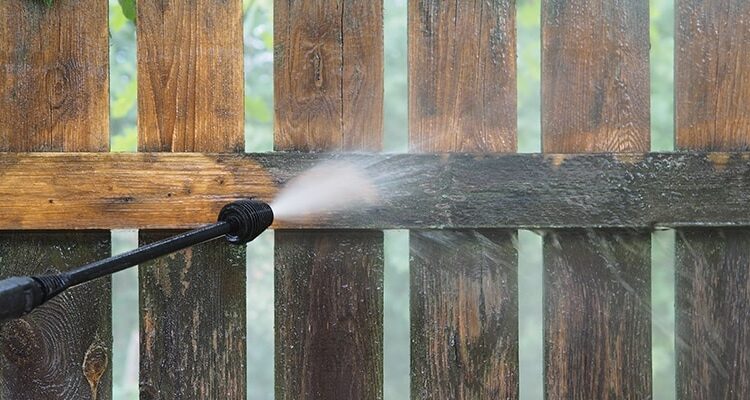
There’s real satisfaction in stripping away years of muck to reveal fresh wood beneath.
Done well, pressure washing turns even the dullest fence into something sharp and proud. It’s easier than you might think—and rather addictive once you get started!
Tools That Do the Job Without Trouble
Getting the right pressure washer is half the battle. More power doesn’t always mean better results, especially when working with timber.
Apply too much force, and you risk stripping the grain or leaving behind scars. So, stick to a pressure setting between 500 and 2,000 PSI to keep things safe and effective.
Electric washers tend to be lighter, quieter, and better suited to smaller domestic jobs. They’re also more affordable to run. Petrol models, by contrast, pack a punch but are louder, heavier, and costlier.
If you’re tackling a large area or dealing with tough build-up, petrol is the better option, but it’s not for everyone.
Moreover, if you’re only planning one round of pressure cleaning, hiring a washer might be the wiser move. Most local DIY stores rent them at reasonable rates, and staff are often happy to suggest models that suit your needs.
Look for one with adjustable nozzles so you can control the spray strength for delicate or stubborn sections. The right kit won’t just help you get the job done—it’ll make it cleaner, safer, and more satisfying to finish.
A Bit of Prep Makes All the Difference
Before switching on the washer, take a few minutes to clear the area. Move any garden furniture, pots, or decorations that might get splashed or knocked.
If your fence backs onto soil or turf, cover it with a groundsheet to catch debris and protect the plants.
Always check the weather first. A proper downpour will spoil the process, so pick a calm, dry day. Dress for the task with sturdy footwear, gloves, and safety goggles. You’ll be glad you did once the spray begins to fly.
Give your neighbours a friendly heads-up, too. Pressure washing can be noisy, and a little courtesy goes a long way. When the area is clear, and you’re kitted out, you’ll be able to clean with confidence.
The Right Way to Wash a Fence
Though pressure washing looks easy, a thoughtful approach gets better results and helps prevent damage.
Start by inspecting your fence. Look for signs of wear, rot, or loose panels and make small repairs where needed. A cracked board will only get worse with high-pressure water thrown at it.
Next, mix your cleaning detergent according to the instructions and apply it evenly across the fence using a detergent tank or soap applicator. Let it sit for five to ten minutes to break down the grime, but don’t let it dry out completely.
Furthermore, use the lowest pressure setting and a wide-angle spray head. Keep the nozzle about 30 centimetres away from the surface and hold it at a 45-degree angle. Work in smooth, overlapping motions, one section at a time.
This method avoids over-soaking any particular spot and ensures a consistent clean.
When rinsing, switch to a clean water spray and work from top to bottom to avoid streaks. Go over any stubborn areas again if required. Once finished, let the fence dry thoroughly. To keep that fresh finish longer, consider applying a weatherproof sealant.
Aftercare That Pays Off
A good clean is only half the story. Once your fence is dry, it’s time to think about keeping it in top condition.
Applying a wood treatment or sealant will help protect against moisture, UV rays, and seasonal changes that can cause timber to warp or split.
Allow a day or two for the wood to fully dry out before sealing. Use a brush or sprayer to apply the treatment evenly, taking care to reach into joints and under rails, as these often-overlooked spots tend to deteriorate the fastest.
Not only does this extend the life of your fence, but it also keeps your garden looking sharp. A well-kept fence gives structure and polish to your outdoor space and adds to your property’s overall charm.
When It’s Worth Phoning the Experts
There are times when calling in the professionals is the sensible choice. If your fence is badly stained, structurally delicate, or you’ve never used a pressure washer before, it’s worth handing it over to someone who knows what they’re doing.
Specialised fence pressure cleaning teams use the right tools and treatments for the job, and they’re trained to spot problems that can otherwise go unnoticed. They’ll finish faster, too, which makes a difference if time’s tight, or you’ve got other priorities.
You may find the results are not only better than expected but also longer lasting. In the long run, hiring help can often be the more cost-effective route, particularly if you value your weekends.
Clean Fence, Clear Conscience
Looking after your garden doesn’t mean neglecting the environment.
If you’re planning to clean the fence yourself, be selective about the products you use. Choose biodegradable detergents that won’t linger in the soil or harm nearby plants.
In addition, use plastic sheeting to catch run-off and direct water away from drains and borders.
Some machines allow you to adjust water flow to reduce waste, so take advantage of this if you can. Avoid working during extreme temperatures too—hot or freezing conditions make wood more vulnerable to damage.
Cleaning early in the morning or late in the day, when evaporation is slower, also conserves water. Thoughtful steps like these benefit your garden and help you maintain eco-friendly habits neighbours are likely to appreciate.
Common Hiccups and How to Fix Them
Even with the best equipment and intentions, problems can arise.
One of the most common is streaking, usually caused by uneven motion or moving the spray head too close. So, keep a steady distance and angle, and work in overlapping sweeps for a smoother finish.
Tough stains often tempt people to increase the pressure, but resist that urge. Instead, use a targeted cleaning solution and give it time to work.
If your washer suddenly feels weaker, check the hose for kinks, clean out the spray tip, and make sure your water supply is steady.
Likewise, if splinters begin to show, your pressure is too high or the spray is too narrow. Step back, adjust the nozzle, and use a softer touch.
For faded or greyed timber, try a dedicated wood brightener rather than stripping the surface. It’ll lift the colour without eating away the material.
Conclusion
A freshly cleaned fence brings quiet satisfaction, adding polish and pride to your outdoor space.
Handled with care, pressure washing is as much about preservation as it is about presentation. Take your time, do it well, and you’ll enjoy the results every time you step outside.