

Cracked, contaminated, or soggy attic insulation might seem like a minor issue tucked well out of sight. In reality, what happens above the ceiling can have profound impacts on the air you breathe, your home’s energy bills, and even its structural integrity.
The Hidden Dangers of Damaged Attic Insulation
Behind the drywall and roof beams, your attic is meant to be a barrier against extreme temperatures and pests. When insulation is damaged, however, that barrier is breached. Suddenly, your attic can become a highway for contaminants, including mold spores, allergens, and even dangerous pathogens.
How Contaminants Enter and Spread in Your Home
Attic insulation is especially vulnerable to water leaks and animal intrusions. Rainwater or condensation can drip in unseen, saturating insulation and creating a perfect breeding ground for mold. Meanwhile, raccoons, squirrels, or bats can enter through a vent or soffit, leaving behind nests, feces, and urine. These contaminants do not stay put. Air movement and foot traffic can send spores and dust throughout your ventilation system, circulating them wherever you live, eat, and sleep.
Common Sources: Wildlife and Water Damage
Wildlife infestation and water damage rank as the primary causes of ruined attic insulation. Animals bring not only dirt and droppings, but also parasites and bacteria that insulation can trap. Water, whether from a faulty roof or high humidity, does its own brand of harm by breaking down insulation fibers and encouraging microbial growth.
Health Risks Linked to Mold, Pathogens, and Allergens
Living with contaminated insulation increases the risk of respiratory illnesses, allergies, and even more severe infections. Mold exposure is notorious for triggering asthma attacks and persistent coughs. Some animals can introduce pathogens like leptospirosis or hantavirus, both of which pose significant health threats if inhaled or touched.
Traditional Repair vs. Complete Insulation Replacement
When attic insulation is damaged, homeowners face a choice: attempt a patch-up or commit to full replacement. Each path comes with its own implications for health, cost, and long-term peace of mind.
Temporary Fixes: Cleaning and Spot Treatments
Cleaning up visible messes and spot-treating moldy patches can seem like a cost-saving shortcut. Quick fixes may hold for minor, localized issues, but rarely address contamination that has spread deeper or become airborne.
Full Insulation Replacement: What It Involves
A comprehensive approach means removing all damaged material, decontaminating the attic, and installing fresh insulation throughout. This process targets every hidden hazard, ensuring nothing is left to compromise your home’s air quality.
Pros and Cons of Each Approach
Temporary repairs are cheaper upfront, but often lead to recurring problems and hidden health risks. Full replacement requires a bigger investment, but delivers lasting protection for your family and property.
The Attic Restoration Process Explained
Professional attic restoration follows a sequence that goes far beyond a surface clean.
– Inspection and Damage Assessment: Experts check for animal entry points, water damage, and the extent of contamination.
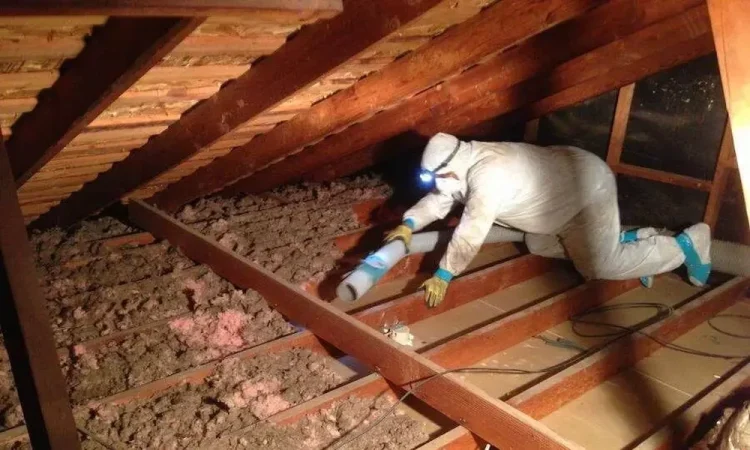
– Removal of Contaminated Materials: Large debris is hand-picked while smaller particles and droppings are safely vacuumed.
– Decontamination: Specialized solutions eliminate mold, bacteria, and lingering odors.
– Installing New Insulation: Only after the space is thoroughly sanitized do technicians fit new, high-quality insulation.
This meticulous sequence, as practiced by providers such as Insulation Services attic restoration, minimizes risks and meets rigorous health standards.
Comparing Insulation Materials for Health and Safety
Not all insulation materials respond the same when challenged by moisture or pests.
| Insulation Type | Resistance to Moisture | Mold Growth Risk | Pest Resistance | Lifespan |
| ————— | ——————— | ————— | ————– | ——– |
| Fiberglass | Moderate | Moderate | Low | 10-20 yrs|
| Spray Foam | High | Low | High | 20+ yrs |
| Mineral Wool | High | Low | Moderate | 30+ yrs |
Spray foam and mineral wool both resist moisture and suppress mold better than standard fiberglass, making them popular choices for health-conscious homeowners.
Environmental and Health Impacts of Different Insulation Types
Fiberglass can release small particles if disturbed, potentially irritating lungs. Spray foam creates a tight seal but must be installed with care to avoid chemical exposure. Mineral wool is made from natural or recycled materials, offering robust fire and mold resistance.
Long-Term Benefits of Replacing Damaged Insulation
Restoring your attic’s insulation immediately improves indoor air quality and reduces the risk of illness. Over time, energy bills drop as new insulation minimizes heat loss in winter and keeps your home cooler in summer. Properly installed insulation also deters future wildlife intrusions and prevents structural rot caused by hidden moisture.
When to Call Professionals: DIY vs. Expert Restoration
Disturbing contaminated insulation without proper protection can expose you to harmful particles and pathogens. Professional restoration teams use protective gear and industrial equipment to ensure a thorough, safe cleanup. Expect them to provide a detailed assessment, targeted removal, deep cleaning, and expert installation of new materials.
Case Studies: Successful Attic Insulation Replacement Stories
Consider a family whose attic was overrun by raccoons. After professional removal, decontamination, and new mineral wool installation, respiratory symptoms they had been experiencing disappeared. Another homeowner faced recurring mold after a small roof leak. Full insulation replacement and a dehumidifier solved the problem for good.
Maintaining a Healthy Attic Post-Restoration
Staying vigilant is key. Schedule routine attic inspections every year, especially after storms or signs of animal activity. Seal up entry points, maintain roof integrity, and monitor humidity levels. These simple steps will keep your attic clean, safe, and energy-efficient long into the future.