
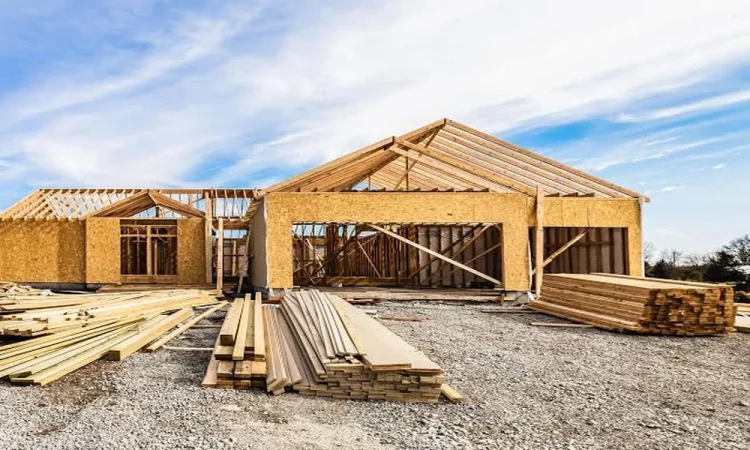
Cumbria doesn’t do gentle weather. Rain sweeps in off the Irish Sea, wind batters exposed hillside plots, and winter brings genuine cold rather than the milder version much of the south experiences. Choosing the right materials for a rural or exposed site here isn’t optional extra care. It’s the difference between a building that lasts decades and one that needs constant repair.
Stone: Still the Benchmark
Local stone, whether Lakeland slate, sandstone or limestone depending on the area, has stood up to Cumbrian weather for centuries, and there’s a reason it remains the material of choice for anyone building or extending in the region. It handles driving rain without absorbing excessive moisture, provided it’s laid correctly with proper drainage detailing. Stone also blends visually with the surrounding landscape and existing older buildings nearby, which matters both aesthetically and for planning approval on rural sites.
Slate Roofing for Genuine Weather Resistance
Cumbrian slate isn’t just traditional; it’s practical. It sheds water efficiently, resists frost damage far better than cheaper alternatives, and can last well over a hundred years with basic maintenance. Concrete tiles cost less initially but degrade faster under constant freeze-thaw cycles, which exposed rural sites experience repeatedly through winter. For anyone weighing upfront cost against long-term value, slate wins comfortably on exposed sites.
Timber Cladding: Choose the Species Carefully
Larch and Douglas fir both perform well in Cumbria’s climate because they contain natural oils that resist rot without heavy chemical treatment. Softer, cheaper timbers might look similar when first installed but deteriorate noticeably faster once exposed to constant damp. Vertical cladding sheds water more effectively than horizontal on very exposed elevations, which is worth considering at the design stage rather than after installation.
Insulation That Actually Copes With Damp
Rural Cumbrian sites need insulation that performs even when moisture inevitably gets into wall cavities, which it eventually does regardless of how careful the build. Breathable insulation materials like wood fibre or sheep’s wool allow any trapped moisture to escape rather than sitting in the wall build-up and causing mould or timber rot. This matters considerably more here than in drier parts of the country, where standard insulation approaches cause fewer long-term problems.
Windows and Doors: Prioritise Sealing Over Style
Exposed sites lose heat fast through poorly sealed openings, and driving rain finds its way through gaps that would never cause issues in sheltered locations. Triple glazing is increasingly common in new Cumbrian builds for exactly this reason, alongside high-quality door seals designed for wind-driven rain rather than standard weather conditions. Cutting costs here tends to show up quickly in higher heating bills and, eventually, water ingress around frames.
Foundations Suited to Cumbrian Ground Conditions
Ground conditions vary hugely across the county, from rocky upland sites to boggy valley floors, and foundation choice needs to reflect that rather than following a generic approach. Sites with poor drainage or high water tables often need deeper foundations or specialist drainage solutions before construction even starts. Skipping proper ground investigation on a rural plot is a common and costly mistake.
Working With Local Knowledge
Materials perform best when specified by people who’ve actually built in these conditions before. The best builders in Cumbria understand which stone sources hold up on which sites, how local weather patterns affect material choices across different parts of the county, and where corners simply can’t be cut without consequences down the line.
The Long-Term View
Choosing materials for an exposed Cumbrian site isn’t about following trends or minimising upfront spend. It’s about understanding that this climate will test every weak point in a build, repeatedly, for decades. Materials chosen with that reality in mind cost more initially but save considerably more in avoided repairs, replacement and ongoing maintenance.