
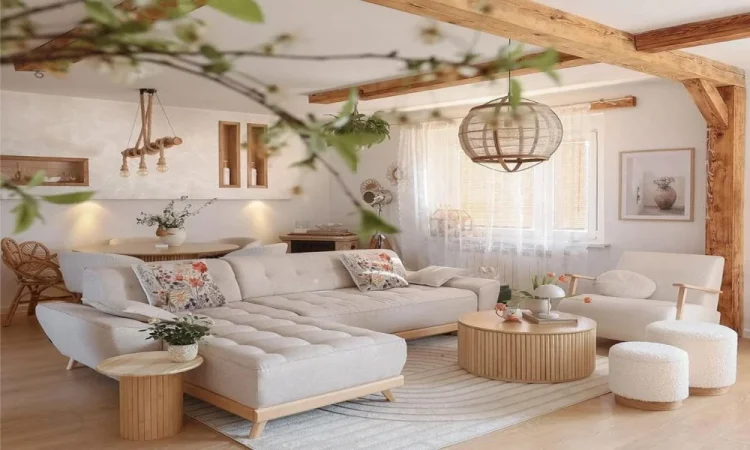
Rustic interior design has a way of making a living room feel comfortable without trying too hard. Natural materials, warm colors, visible textures, and furniture with character create an environment that feels lived-in rather than overly polished.
The good thing about rustic style is that you do not need to turn your home into a traditional cabin to achieve it. A few carefully selected elements can bring warmth and personality to an otherwise modern room.
If you want a rustic living room that feels timeless instead of dated, start with the materials and atmosphere rather than decorating around a strict theme.
1. Start With Natural Wood
Wood is one of the easiest ways to introduce rustic character into a living room.
Instead of choosing furniture with heavily distressed finishes, consider pieces that allow the natural grain to remain visible. Oak, walnut, maple, and other hardwoods can each create a different atmosphere.
A wood coffee table, for example, can become the visual center of the seating area without requiring additional rustic decorations throughout the room.
Natural wood works especially well when paired with neutral walls and simple upholstery because its grain provides texture without overwhelming the space.
2. Use Warm, Earthy Colors
Rustic rooms tend to feel more comfortable when their color palette is inspired by nature.
Warm beige, cream, brown, muted green, terracotta, and soft gray can create a relaxed background for furniture and accessories.
You do not need to paint every wall dark brown. In fact, keeping the walls relatively light can help maintain an open feeling while warmer colors appear through rugs, pillows, curtains, and furniture.
A restrained palette also makes natural wood stand out more clearly.
3. Choose Furniture With Visible Character
One of the differences between a convincing rustic interior and a room filled with rustic decorations is the furniture itself.
Look for pieces with natural grain, subtle imperfections, substantial construction, or handmade details. These characteristics give furniture a sense of history and individuality.
A rustic coffee table can work particularly well as a focal point because it combines practical function with a strong visual connection to natural materials.
The goal is not to make every piece look old. Instead, choose furniture that feels authentic and tactile.
4. Add Soft Textiles
Hardwood furniture can make a room feel visually strong, so balance it with soft materials.
Wool rugs, linen curtains, cotton throws, and textured pillows can make the seating area feel more inviting. Layering different fabrics also adds depth without requiring additional furniture.
If your sofa is neutral, use textiles to introduce subtle variations in color and texture.
For example, a cream sofa can work with a beige wool rug, brown leather accents, and olive-green pillows. The result feels warm without relying on obvious rustic patterns.
5. Mix Rustic With Modern Elements
A rustic living room does not need to look like it belongs in another era.
Combining rustic furniture with modern lighting, simple sofas, contemporary artwork, or clean-lined shelving can create a more balanced interior.
This approach is sometimes called modern rustic design. The natural materials provide warmth while modern elements keep the room feeling fresh.
A substantial wood coffee table can look particularly striking next to a streamlined sofa. The contrast between organic material and clean upholstery creates visual interest.
6. Bring in Natural Stone
Stone can reinforce the connection to nature without making the room feel overly themed.
A stone fireplace is an obvious example, but smaller applications can work too. Stone accessories, a slate hearth, or a simple stone side table can introduce another natural texture.
If your room already has substantial wood furniture, use stone sparingly. Too many heavy materials can make a smaller living room feel visually dense.
7. Keep the Lighting Warm
Lighting has a major effect on how rustic materials look.
Warm lighting can bring out the grain of wood and make neutral fabrics feel more inviting. Floor lamps, table lamps, wall sconces, and pendant lights can all contribute to the atmosphere.
Avoid relying entirely on bright overhead lighting. Multiple light sources at different heights usually create a more comfortable environment.
If possible, make use of natural daylight during the day and warmer accent lighting in the evening.
8. Avoid Overdecorating
Rustic does not mean filling every surface with decorative objects.
A few meaningful pieces often work better than dozens of accessories. Leave some empty space on shelves and tables so the furniture itself remains visible.
This is particularly important when you have furniture with distinctive grain or natural edges. Too many decorative objects can compete with those details.
A simple arrangement of books, a ceramic bowl, and a small plant may be enough for a coffee table.
9. Use Plants to Add Life
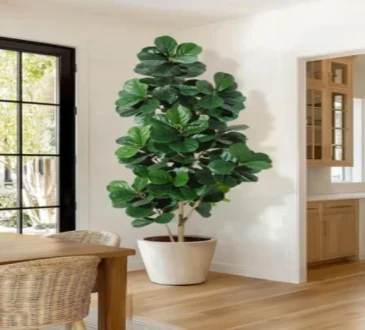
Greenery fits naturally into a rustic interior because plants introduce another organic element.
Large floor plants can fill an empty corner, while smaller plants can sit on shelving or side tables.
Choose planters that complement the room’s materials. Terracotta, ceramic, stone, and woven planters can all work well.
The plants do not need to dominate the room. Their purpose is to add color and soften the stronger lines of furniture.
10. Focus on Comfort First
A rustic living room should ultimately feel comfortable.
Choose seating that encourages people to stay, rugs that feel pleasant underfoot, and furniture that works for everyday life.
Do not sacrifice function simply to achieve a particular look. A beautiful room that is uncomfortable will never feel truly inviting.
Rustic design works best when it reflects how people actually live.
Creating a Rustic Look That Lasts
The most timeless rustic interiors are not built around trends. They rely on natural materials, thoughtful proportions, comfortable furniture, and colors that remain easy to live with.
You can start with one strong element, such as a natural wood coffee table, and gradually build the rest of the room around it. This approach often creates a more authentic result than buying an entire matching furniture set.
Tailor Wood Haven is one example of a furniture maker focused on natural wood character and handcrafted construction. Its approach can be a useful reference for homeowners who want furniture with individual character rather than pieces that all look identical.
A rustic living room does not have to feel old-fashioned. With the right balance of wood, textiles, color, lighting, and modern touches, it can feel warm, relaxed, and timeless.
Contact Information:
- Website: https://tailorwoodhaven.com/
- Email: hello@tailorwoodhaven.com