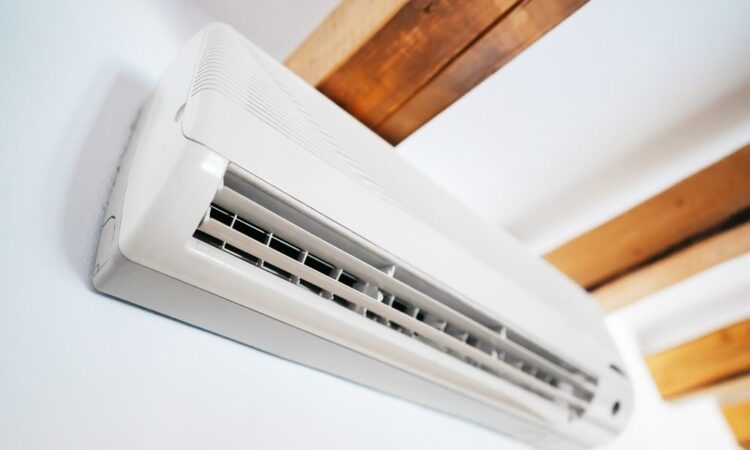
Creating a balanced inside setting needs thoughtful control over temperature and airflow. Many households now rely on air conditioning to maintain stable cooling through changing weather conditions. Modern systems offer better control options that help users adjust settings with ease and improve overall efficiency without extra effort. These improvements support energy savings while keeping indoor spaces stable throughout the day, especially when using advanced split system air conditioning.
Intelligent Temperature Adjustment
Contemporary units use smart devices to track room settings and alter cooling levels automatically. This decreases the need for constant manual changes and supports steady indoor temperature control. The system learns usage patterns over time and adapts to daily routines with better accuracy. This feature also helps maintain consistent comfort without unnecessary power use.
Remote Access Convenience
Users can control settings from a distance through connected devices, making adjustments simple even when away. This ensures rooms are cooled before arrival without running the unit for long hours. Remote access supports better planning and reduces energy waste during unused periods. Many families prefer this function for its flexibility and ease of use.
Energy Usage Optimization
Energy-saving purposes are designed to decrease power use while maintaining stable performance. These systems adjust cooling strength based on real-time needs instead of running at fixed levels. The use of split system air conditioning in this context helps improve efficiency through balanced operation. This approach supports lower electricity usage and better long-term savings.
Smart Scheduling Options
Planning features let users to set operating times based on everyday routines. This ensures cooling is active only when needed and avoids unnecessary operation. It supports better energy control while maintaining a comfortable indoor setting. Many systems include weekly planning to match different usage patterns.
• Custom timers allow flexible cooling periods based on daily activity
• Weekly settings support varied routines without constant manual changes
• Automatic shut-off reduces unnecessary running during inactive hours
• Morning activation prepares rooms before regular daily usage begins
• Night settings lower cooling intensity for stable sleep conditions
Voice Command Integration
It allows users to manage settings without physical interaction. This creates it simpler to adjust the heat or change modes immediately. It also improves accessibility for users who prefer hands-free control. Integration with smart assistants adds another level of ease in daily operation.
• Voice commands adjust temperature without needing physical remote control usage
• Hands-free operation supports quick changes during busy routine moments
• Simple spoken instructions manage modes and fan settings effectively
• Accessibility improves for users who prefer minimal manual interaction
• Integration allows a smooth connection with other home control systems
Adaptive Cooling Performance
Innovative systems alter cooling strength based on room size and occupancy levels. This ensures balanced airflow distribution across the space without overworking the unit. The feature helps maintain steady indoor conditions during varying usage times. It also improves overall system lifespan through controlled operation.
Contemporary control types offer a practical way to manage inside cooling with better precision and reduced effort. By combining smart alteration choices with energy-focused design, these systems offer dependable performance without needless power use. Selecting units with these capabilities supports long-term efficiency while maintaining a stable indoor setting suited for everyday needs.
FAQs
How do smart controls improve cooling system efficiency in daily usage?
They adjust settings automatically based on room needs, reducing unnecessary power usage.
Can remote access help manage temperature when not present at home?
Yes, it allows users to control cooling settings before returning home easily.
Do scheduling features reduce electricity consumption in regular household cooling systems?
Yes, a scheduled operation avoids continuous running, which helps lower overall electricity usage.