
Australian gardens can be exposed to long periods of heat, dry conditions and intense sunlight. During these times, natural lawns may become brown, patchy or difficult to maintain.
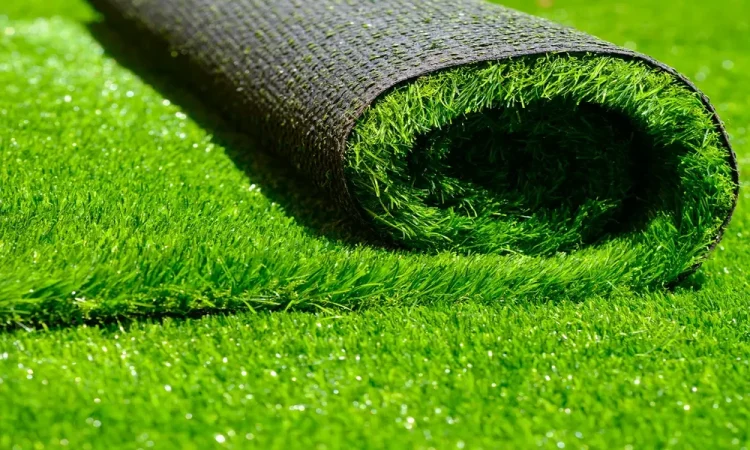
Artificial turf provides a consistent green surface that does not depend on watering, mowing or seasonal growth. This can help gardens retain a polished appearance throughout the warmer months.
A greener look through dry weather
Natural grass can struggle when water restrictions, poor soil or high temperatures limit healthy growth. Even well-maintained lawns may develop dry sections where the soil receives less water or more direct sunlight.
Artificial turf does not require irrigation to maintain its colour. The fibres remain visually consistent, helping the garden look established even when surrounding natural lawns are affected by heat.
This can be especially valuable in exposed front yards, rental properties and commercial landscapes where appearance needs to remain reliable.
Clean lines that hold their shape
A premium garden often depends on strong edges and clearly defined zones. Artificial turf can be cut and installed around pathways, garden beds, stepping stones and outdoor entertaining areas.
Unlike natural grass, it does not spread into nearby garden beds or become overgrown around paving. This helps maintain clean borders and a structured layout with less ongoing trimming.
The surface also remains relatively even because it is installed over a prepared base. There are no bare patches caused by heavy foot traffic, shade or inconsistent growth.
Less maintenance during summer
Hot weather can increase the time and water required to keep natural grass looking healthy. Mowing, watering, fertilising and repairing worn sections may become ongoing tasks.
Artificial turf removes many of these requirements. It still benefits from occasional brushing, rinsing and debris removal, but it does not need to be cut or treated to maintain a uniform appearance.
This makes it easier to keep the garden presentation consistent during summer holidays, dry periods and busy weeks.
Selecting turf designed for warm conditions
Artificial turf can become warm in direct sunlight, just as paving, decking and other outdoor surfaces do. Product technology, fibre composition, colour and landscape design can all influence how the area responds to heat.
Some artificial turf products include cooling technologies designed to reduce heat build-up compared with standard synthetic surfaces. Shade trees, pergolas and surrounding planting can also help create a more comfortable garden.
The orientation of the yard and the amount of reflected heat from windows or metal surfaces should be assessed before installation.
Premium design without seasonal decline
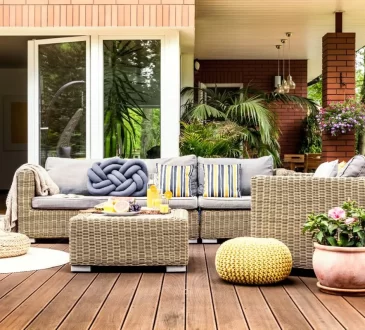
Artificial turf works particularly well as part of a broader garden design. It can provide a green foundation for feature plants, outdoor furniture, paving and architectural landscaping.
Because the lawn does not become dormant or lose coverage during hot weather, the entire garden can retain its intended visual balance. Green turf contrasts with stone, timber and planting, helping outdoor spaces feel finished and inviting.
A landscape designed for consistency
High temperatures can place significant pressure on natural lawns, particularly in areas with limited rainfall or challenging soil. Artificial turf offers a practical way to maintain colour, coverage and clean landscaping lines throughout the year.
The best results come from selecting a quality product and combining it with thoughtful installation, drainage and garden planning. When these elements work together, artificial turf can help a garden continue to look premium even through the hottest parts of summer.