
Most homeowners clean the lint trap after every load of laundry, but very few think about what happens beyond it. Hidden behind the dryer is a vent system that quietly carries heat, moisture, and lint outside your home. Over time, that vent can become clogged, reducing airflow and forcing your dryer to work much harder than it should. Scheduling professional dryer duct cleaning Warsaw, IN is one of the easiest ways to improve your dryer’s performance while helping to protect your home from avoidable safety risks.
The challenge is that dryer vent problems rarely appear overnight. They develop gradually, which makes them easy to ignore. What starts as a slightly longer drying cycle can eventually lead to higher energy bills, costly appliance repairs, or even a dangerous fire hazard. Understanding the warning signs early can help you avoid much bigger problems later.
It Usually Starts With Small Changes
Most dryer vent issues begin with subtle changes that homeowners often overlook. Because the dryer is still running, it’s easy to assume everything is working normally. However, restricted airflow usually shows itself long before the appliance stops working altogether.
You might notice:
- Clothes taking longer than normal to dry.
- Laundry still feeling damp after one cycle.
- The dryer becoming unusually hot.
- A slight burning smell during operation.
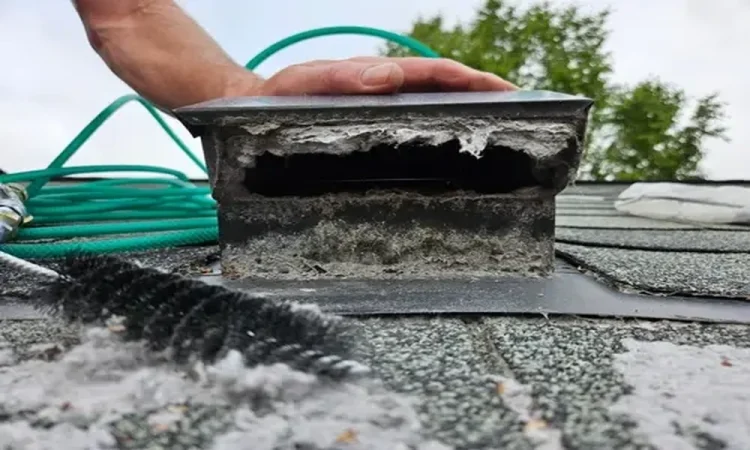
- More lint collecting around the outside vent.
None of these signs should be ignored. They often indicate that air can no longer move freely through the vent system.
What Happens When Airflow Is Restricted?
A dryer depends on steady airflow to remove hot, moist air from your clothes. When lint begins collecting inside the vent, that airflow becomes restricted. Instead of escaping outdoors, heat and moisture remain trapped inside the appliance.
As a result, every drying cycle takes longer to finish. The dryer has to work harder to achieve the same results, placing additional strain on the motor, heating element, and other internal components. Even if the dryer still appears to be working, its efficiency gradually declines as the blockage becomes worse.
The Problems Can Escalate Faster Than You Think
Ignoring a clogged dryer vent doesn’t just affect drying performance. Over time, it can lead to several costly and potentially dangerous issues.
Higher Utility Bills
When your dryer has to run through multiple cycles to dry a single load, it naturally uses more electricity or gas. Those extra minutes of operation may not seem significant at first, but over weeks and months they can noticeably increase your utility bills.
Many homeowners assume rising energy costs are simply seasonal, when in reality the dryer is working much harder because airflow has become restricted.
Extra Wear on the Appliance
Every additional drying cycle creates more wear on your dryer. Components such as the blower motor, heating element, and thermostat are forced to operate for longer periods than intended.
Eventually, this additional strain may lead to unexpected repairs or shorten the lifespan of the appliance altogether. Keeping the vent clean helps reduce unnecessary stress and allows the dryer to perform more efficiently.
A Greater Risk of Fire
Perhaps the most serious concern is fire safety. Lint is highly flammable, and when it accumulates inside a hot dryer vent, it creates conditions that increase the risk of ignition.
Although not every clogged vent results in a fire, allowing lint to continue building up creates an avoidable hazard. Regular maintenance removes this material before it becomes a more serious problem.
Moisture Can Stay Inside Your Home
A blocked vent doesn’t just trap heat-it also prevents moisture from leaving your home efficiently. Over time, excess humidity can collect in the laundry area, leading to condensation, musty odors, and conditions that encourage mold and mildew growth.
Maintaining proper airflow allows moisture to escape as intended, helping to create a healthier indoor environment.
Simple Habits That Can Prevent Bigger Problems
Fortunately, preventing dryer vent issues doesn’t require complicated maintenance. A few simple habits can make a significant difference.
To help keep your dryer operating safely:
- Clean the lint screen after every load.
- Check that the outdoor vent flap opens freely.
- Keep the area behind the dryer free from excessive lint buildup.
- Avoid crushing or bending the vent hose.
- Schedule professional vent cleaning as part of your regular home maintenance.
These small steps improve airflow and reduce unnecessary strain on your dryer.
When Is It Time to Call a Professional?
While routine maintenance can help, some situations require professional attention. If your clothes consistently take multiple cycles to dry, the dryer feels unusually hot, you notice a burning smell, or the outdoor vent produces very little airflow, it’s time to have the vent inspected.
A professional cleaning removes lint buildup throughout the entire vent system-areas that homeowners often can’t safely reach themselves. It also helps identify damaged ducts, loose connections, or other issues that could affect performance.
Why Regular Maintenance Is Worth It
Many homeowners don’t think about dryer vent cleaning until something goes wrong. However, preventative maintenance is almost always easier and less expensive than dealing with emergency repairs or replacing a damaged appliance.
A clean vent allows your dryer to operate more efficiently, shortens drying times, reduces energy consumption, and helps extend the life of the equipment. Just as importantly, it provides greater peace of mind by reducing one of the most common household fire hazards associated with laundry appliances.
Protecting Your Home Starts With Small Maintenance Tasks
Dryer vent maintenance may not be the most exciting part of homeownership, but it’s one of the simplest ways to protect both your home and your appliances. Paying attention to early warning signs and addressing small issues before they become larger problems can save you time, money, and unnecessary stress.
By making dryer vent maintenance part of your regular home care routine, you’ll improve efficiency, lower operating costs, and help ensure your dryer continues to perform safely and reliably for years to come.
Conclusion
Regular dryer vent maintenance is a small task that can have a significant impact on your home’s safety, energy efficiency, and the lifespan of your appliance. While it’s easy to overlook the vent hidden behind your dryer, neglecting it can lead to higher utility bills, unnecessary repairs, longer drying times, and even serious safety hazards.
By paying attention to early warning signs and making routine vent cleaning part of your home maintenance schedule, you can help your dryer operate more efficiently and reduce the risk of costly problems down the road. A little preventative care today can go a long way toward protecting both your home and your peace of mind for years to come.